Signs You Need New Mattress 2026 Expert Guide & Fix
Recognizing the signs you need a new mattress is essential for stopping chronic back pain and restless nights. Physical sagging, morning stiffness, and allergy flare-ups indicate that your current bed has lost its supportive capabilities. Knowing when to replace your mattress prevents long-term discomfort and restores proper spinal alignment.
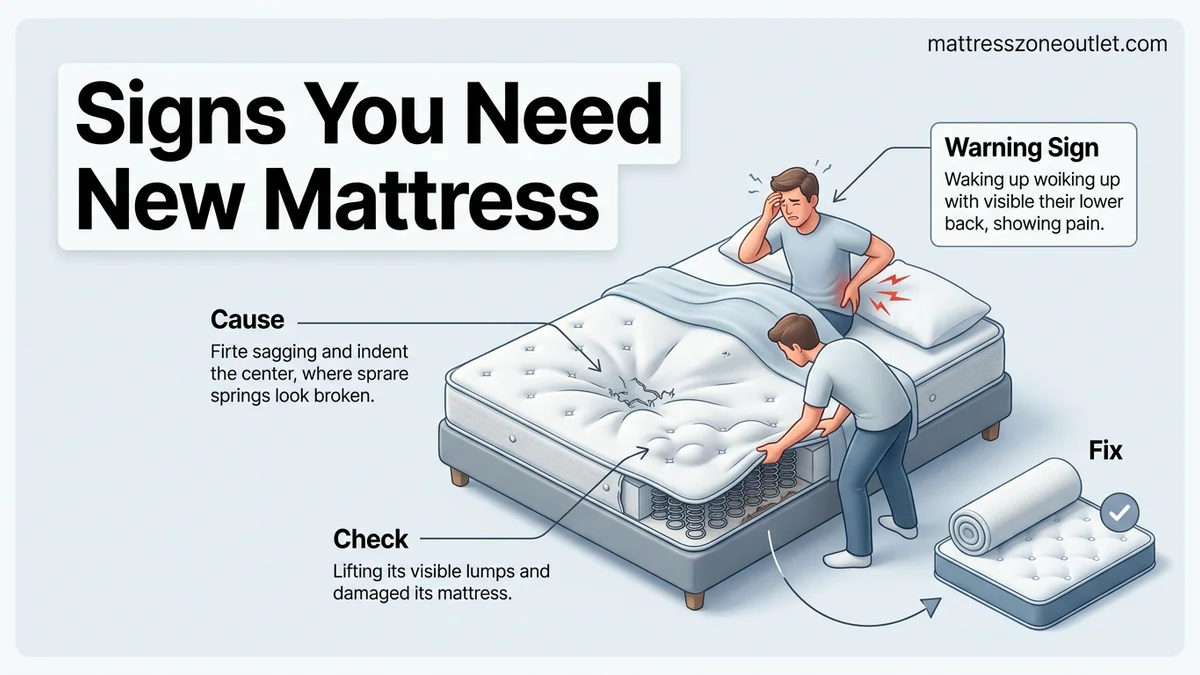
You need a new mattress if you wake up with persistent lower back pain, notice visible body indentations deeper than an inch, or consistently sleep better on hotel beds or couches than your own. As we navigate 2026, sleep ergonomics have evolved, but the fundamental physical lifespan of a bed remains the same: most mattresses break down structurally after 7 to 10 years.
Ignoring a failing mattress does more than ruin your morning mood. It forces your spine out of neutral alignment, degrades your REM sleep cycles, and accelerates chronic muscle stiffness. Recognizing the warning signs early saves you from weeks of agonizing chiropractic visits and unrecovered fatigue.
Key Takeaways
- Visible sagging and permanent body indentations mean the support core has failed.
- Waking up with back pain or stiffness points directly to lack of proper spinal support.
- Most standard mattresses last between 7 to 10 years regardless of visible wear.
- Consistently sleeping better in hotels or guest beds indicates your mattress is worn out.
- Increased allergy symptoms often stem from accumulated dust mites and dead skin inside the bed.
What Causes Your Mattress to Fail and Sag Over Time
The Breakdown of Internal Support Systems
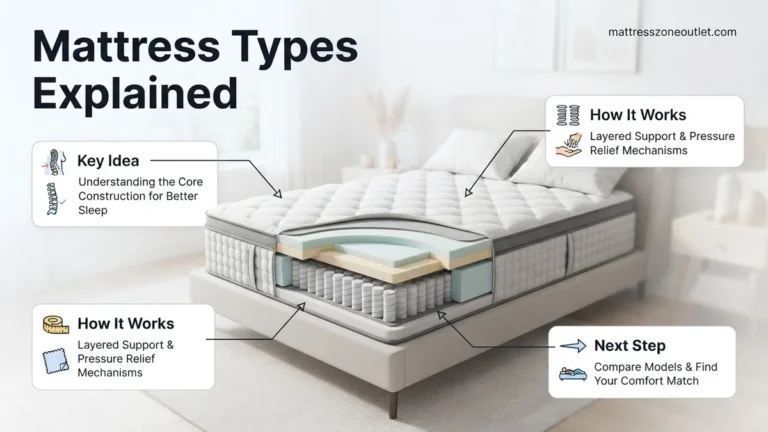
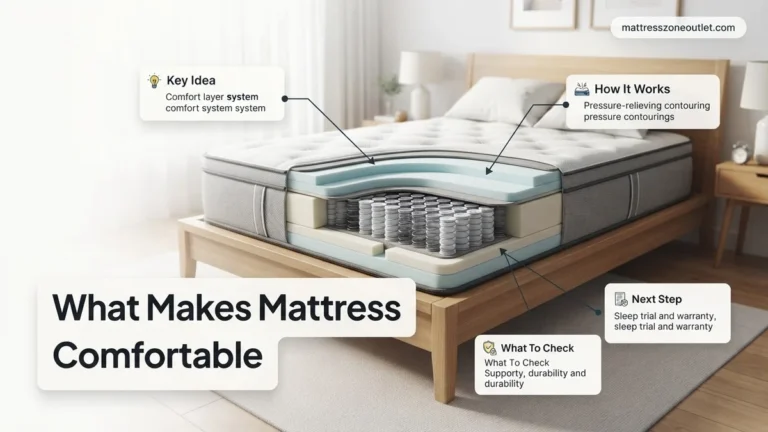
Every mattress fights a daily battle against gravity and body weight. Over the years, the high-density foams, pocketed coils, or latex cores lose their tensile strength. When you lie down, these materials no longer push back with uniform resistance. Instead, they conform permanently to your heaviest pressure points—usually your hips and shoulders.
- Coil fatigue: Innerspring coils stretch out and lose their ability to rebound, creating localized dead zones.
- Foam cell collapse: Polyfoam and memory foam layers lose structural integrity as air pockets rupture from continuous compression.
- Adhesive breakdown: The glue binding comfort layers together weakens, causing shifting, slipping, and uneven surface lumps.
Environmental Factors Accelerating Wear
Your sleep environment plays a massive role in how fast your mattress degrades. Body heat and moisture seep into the comfort layers every single night, softening foams prematurely. If you sweat heavily or share your bed with a partner and pets, the cumulative weight and humidity double the stress on the internal materials. By 2026 standards, even premium beds struggle to maintain integrity past the eight-year mark under heavy, multi-sleeper use.
How to Test Your Mattress for Support and Structural Damage
The Visual and Hand-Press Inspection
You do not need to guess if your mattress is structurally compromised. Strip all the sheets, blankets, and mattress pads off the bed so you can see and touch the bare surface.
- The Sag Test: Look across the length of the mattress from eye level. If you see a permanent dip or trough where you normally sleep, the core support is gone.
- The Hand Press: Firmly press your palms into the middle of the mattress and compare it to the untouched edges. If the center sinks dramatically with little resistance, the foam has lost its density.
- The Foundation Check: Inspect the box spring or platform underneath. A sagging or broken foundation mimics a failing mattress and ruins spinal support.
The Sleep Trial Self-Assessment
Your body is often the most accurate diagnostic tool available. Pay close attention to how your physical body responds to your sleeping surface over a consecutive seven-day period.
- Take note of stiffness upon waking. If you need 20 minutes of stretching just to stand straight, your mattress is failing to support your spinal curves.
- Track where you sleep. If you find yourself rolling toward the edges to find a firmer, flatter surface, the middle of the bed is completely worn out.
- Notice your sleep quality away from home. If you consistently wake up refreshed in guest rooms or hotels but groggy in your own bed, your mattress is the primary culprit.
Step-by-Step Guide to Replacing Your Unsupportive Bed
Transitioning to a modern sleep system requires a structured approach to protect your investment and physical health. Following a clear protocol ensures you remove your old bed correctly and break in your new 2026 mattress properly.
1. Assess Your Foundation and Frame
Check your current box spring or platform bed for structural integrity before purchasing a replacement. A sagging foundation will prematurely ruin a brand-new mattress within months. According to the Better Sleep Council, modern foam and hybrid models require rigid, supportive slats spaced no more than 3 inches apart to prevent premature sagging.
2. Recycle or Dispose of the Old Unit
Arrange responsible removal for your degraded mattress before the new delivery arrives. Many municipalities and eco-friendly retailers offer recycling programs that break down up to 85% of steel, foam, and textile components. Avoid leaving old bedding on the curb where structural fibers can collect moisture and allergens.
3. Unbox and Decompress Correctly
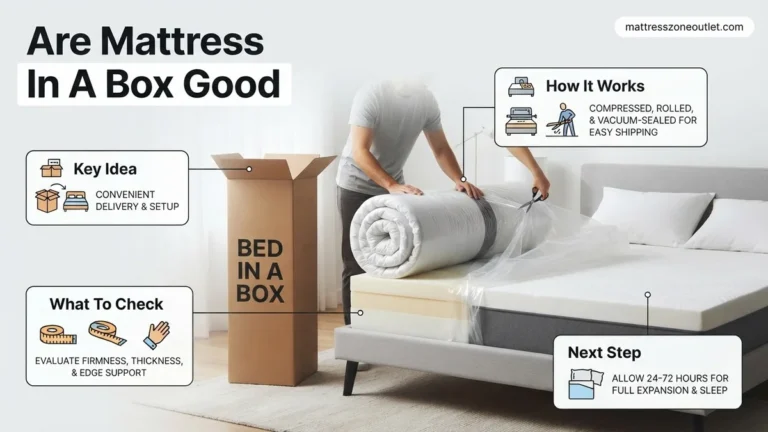
Carefully unpack your new 2026 model in the room where you intend to use it. Most bed-in-a-box compressed models require between 24 to 72 hours to fully expand to their manufacturing thickness. Keep the bedroom well-ventilated during this window to dissipate any harmless off-gassing odors from high-density foams.
What If It Still Doesn’t Work?
If you have upgraded your sleep surface and still wake up with persistent stiffness or fatigue, underlying physical factors may be at play. When a brand-new mattress fails to resolve your discomfort, execute these troubleshooting steps:
- Evaluate your pillow loft and spinal alignment: An incorrect pillow height forces your cervical spine out of neutral position, mimicking mattress-induced neck pain. Expect to spend $40 to $120 for an adjustable ergonomic pillow tailored to your primary sleeping position.
- Incorporate targeted core strengthening: Chronic lower back pain often stems from muscular imbalances rather than surface pressure points. Consult a licensed physical therapist for a customized lumbar stabilization routine, with average clinical evaluation sessions ranging from $100 to $250 per visit.
- Consult an orthopedic specialist: If musculoskeletal pain persists past four weeks on a supportive, high-density 2026 mattress, schedule a medical consultation to rule out underlying joint pathology, disc herniation, or chronic inflammatory conditions.
- Review your sleep hygiene and routine: Restless tossing and turning can damage perceived sleep quality even on optimal bedding. Track your sleep metrics using clinical sleep research guidelines to isolate environmental disruptions from physiological pain.
Conclusion
Recognizing the critical signs of a failing mattress—such as visible body impressions, morning stiffness, and disrupted sleep cycles—protects your long-term spinal health. Upgrading to a properly supportive, modern sleep system eliminates pressure points and restores restorative REM cycles. According to verified research and expert sources from the Sleep Foundation, replacing a worn mattress every 7 to 10 years significantly reduces chronic back pain and improves overall daytime alertness. Take the next step today by inspecting your current mattress for sagging and testing out supportive alternatives tailored to your sleeping style.
❓ Frequently Asked Questions
How can I tell the difference between normal wear and a failed mattress?
Normal wear includes minor fabric fuzzing, while a failed mattress features structural issues like deep body impressions greater than 1.5 inches, broken coils, or persistent sagging that causes pain.
Does sleeping better on vacation mean I need a new mattress?
Yes, consistently waking up refreshed in hotels or guest rooms strongly suggests your home mattress has lost its support and is negatively affecting your sleep quality.
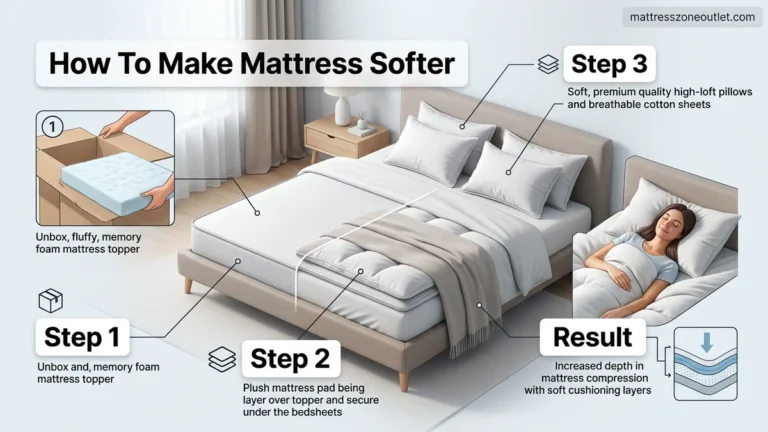
Can a mattress topper fix a sagging mattress?
A topper can provide temporary surface comfort for minor firmness issues, but it cannot fix structural sagging or lack of underlying support in a worn-out mattress.
What health problems are caused by sleeping on an old mattress?
Sleeping on an unsupportive bed can cause chronic lower back pain, neck stiffness, poor spinal alignment, disrupted sleep cycles, and aggravated allergy or asthma symptoms.
How do different mattress types age over time?
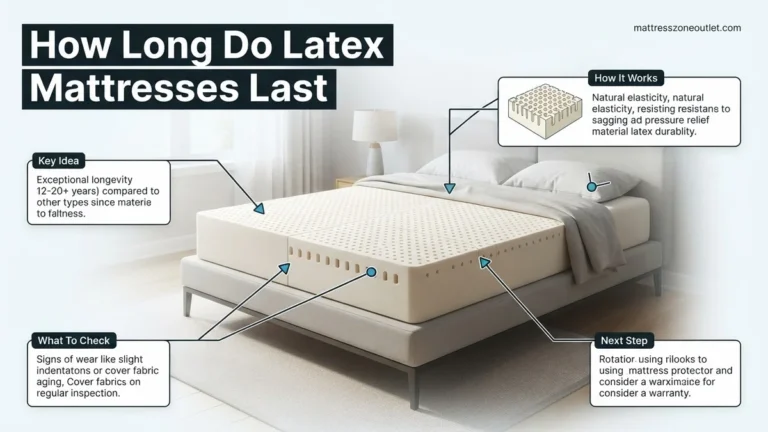
Innerspring mattresses typically lose coil tension around 7 years, memory foam softens and develops body pits around 8 years, and latex models often last up to 12 years due to natural durability.
Are there hygiene reasons to replace a mattress after several years?
Over the years, mattresses accumulate significant amounts of dead skin cells, body sweat, dust mites, and allergens that deep cleaning cannot fully remove, prompting hygienic replacement.