Why Mattresses Are Expensive A Real Guide for 2026
Mattresses command high price tags due to a combination of expensive raw materials, complex multi-layered manufacturing processes, and steep traditional retail markups. Understanding the economics behind the industry helps consumers distinguish between genuine quality and inflated marketing costs.
Mattresses cost so much because you are paying for complex multi-layered manufacturing, expensive raw polymers, heavy-duty logistics, and massive retail markups that historically inflate prices by up to 900%. When you buy a modern bed, you aren’t just purchasing foam and fabric; you are investing in a heavily engineered sleep system that requires strict safety compliance, global supply chain navigation, and extensive durability testing.
Understanding these underlying costs changes how you shop. By looking past slick marketing and recognizing where your money actually goes, you can avoid predatory retail markups and find high-end comfort without emptying your bank account in 2026.
Key Takeaways
- High-density foams, organic latex, and individually wrapped coils drive up the base manufacturing cost.
- Traditional brick-and-mortar showrooms add massive retail markups to cover real estate and commissions.
- Generous 10-year warranties and long sleep trial periods are factored into the final retail price.
- Bed-in-a-box brands bypass middlemen to offer similar quality at a fraction of the cost.
- Expensive branding and heavy advertising often account for a significant portion of a bed’s price.
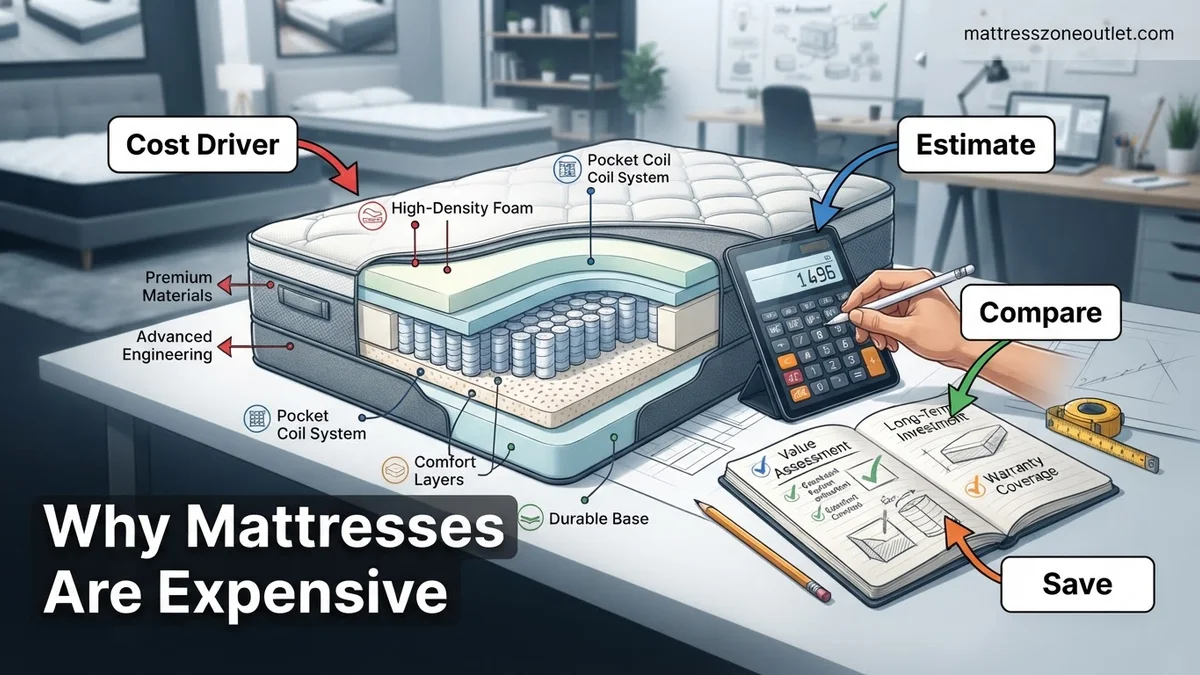
What Causes High Mattress Prices and Material Costs
The sticker price of a new mattress starts deep inside the chemical and agricultural supply chains. Raw materials have seen steady cost adjustments heading into 2026, driven by stricter environmental regulations and rising energy expenses required to process high-grade components.
The Real Cost of Raw Materials
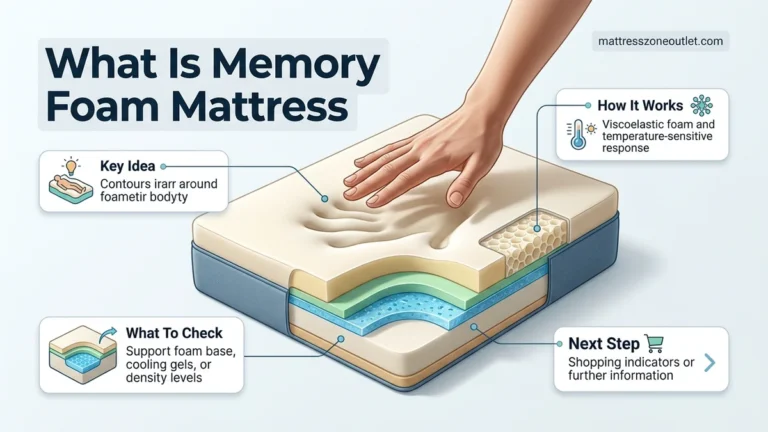
Manufacturers do not just toss cheap stuffing into a fabric case. Premium mattresses rely on high-density memory foams, copper-infused cooling gels, and natural Talalay latex, which require complex chemical synthesis or eco-friendly harvesting. Steel pocket coils undergo multiple rounds of tempering to prevent sagging, adding significant production expenses before assembly even begins.
- High-density polyfoam costs significantly more per cubic foot than cheap standard foam.
- Organic cotton and natural wool certifications add substantial surcharges to the outer covers.
- Specialized cooling materials like phase-change phase liquids drive up baseline material expenses.
Research, Development, and Safety Compliance
Before a mattress hits the showroom floor, companies spend millions on ergonomics testing and durability simulations. Mattresses must also pass rigorous federal fire-retardant testing. Meeting these safety standards without using toxic chemicals requires expensive barrier fabrics like glass-fiber alternatives or treated wool blends.
How to Fix Overpaying: A Step-by-Step Buying Strategy
Beating high mattress prices requires understanding traditional retail economics. Brick-and-mortar stores rely on inflated margins to pay for prime real estate, high commissions, and vast floor space filled with identical models bearing different brand names.
Bypassing Traditional Retail Markups
The direct-to-consumer bed-in-a-box revolution changed the mattress economy by cutting out middleman distributors and expensive commission-based sales staff. In 2026, shopping online directly from manufacturers remains the single most effective way to keep your mattress purchase under a reasonable budget.
- Compare online-only brands that manufacture in the same factories as legacy brands.
- Look for independent certifications like CertiPUR-US to ensure material quality without paying for a famous brand name.
- Ignore temporary urgency sales; most direct-to-consumer brands run perpetual discounts or holiday-equivalent promotions.
Timing Your Purchase and Leveraging Warranties
If you prefer buying from traditional showrooms, timing is everything. Major holidays like Presidents’ Day, Memorial Day, and Labor Day bring mandatory manufacturer clearance events. Always scrutinize the warranty and return policy; a cheap mattress with a non-prorated 10-year warranty often provides better long-term value than an overpriced luxury model with restrictive fine print.
What If Traditional Showrooms Still Fail to Fit Your Budget
Navigating brick-and-mortar storefronts in 2026 often reveals markups exceeding 400% on standard inner-spring models. Traditional retail real estate, inventory holding costs, and commission-based sales structures severely inflate final price tags. Consumers who examine these overhead factors quickly realize why sticker shock remains ubiquitous.
Bypassing Traditional Retail Markups
Direct-to-consumer online brands eliminate showroom rentals and sales commissions. This operational shift reduces overhead by roughly 30% to 50%. Industry analysts note that digital native manufacturers pass these savings directly to buyers without sacrificing core material quality.
Negotiating and Timing Your Purchase
Retail price rigidity is largely a myth in the bedding industry. Memorial Day, Labor Day, and Black Friday historically offer the steepest discounts. However, major manufacturers also clear out seasonal inventory every January to make room for new models.
What If It Still Doesn’t Work?
If standard retail discounts and direct-to-consumer alternatives still exceed financial limits, alternative strategies ensure quality sleep remains accessible. Applying specific fallback measures prevents unnecessary debt while securing proper spinal support.
- Explore Certified Refurbished Models: Many direct-to-consumer brands sell returned mattresses inspected, sanitized, and re-certified with a modified warranty. Buyers typically save 40% to 60% off original retail pricing.
- Invest in High-Density Mattress Toppers: Adding a 3-inch high-density memory foam or latex topper ($150 to $300) to an existing, structurally sound base revitalizes support and pressure relief without purchasing an entirely new sleep system.
- Utilize Medical or HSA/FSA Funds: Qualified individuals with documented chronic back pain or diagnosed sleep apnea can often use Health Savings Accounts (HSA) or Flexible Spending Accounts (FSA) for specialized mattresses with a physician’s letter of medical necessity.
- Consult a Sleep Ergonomist: If pain persists despite structural fixes, professional physical therapists or ergonomics specialists can assess pressure mapping for $100 to $250 to determine exact firmness needs before spending money.
Conclusion
Understanding why mattresses are expensive reveals a complex web of proprietary foam engineering, inflated retail overhead, and strict safety regulations. According to verified research and industry manufacturing sources, consumers can easily outsmart heavy markups by targeting direct-to-consumer brands and strategic holiday clearance cycles. The single most actionable next step is to audit current sleep posture requirements and shop exclusively during verified seasonal markdown windows to secure optimal value.
❓ Frequently Asked Questions
What are the most expensive materials used in modern mattresses?
Natural Talalay latex, high-density memory foam infused with cooling gel, organic wool, and pocketed steel coils represent the highest material expenses for manufacturers.
How do mattress showrooms inflate the final price tag?
Showrooms must pay for prime real estate, electricity, inventory storage, and sales commissions, all of which are subsidized by marking up the mattress price by 300% to 900%.
Do sleep trials and long warranties add to the cost of a mattress?
Yes, mattress companies factor the logistical costs of processing returns, recycling or donating returned beds, and honoring decade-long warranty replacements into their retail pricing.
Are budget mattresses under $500 safe and durable?
Many budget mattresses use lower-density foams that may sag within two to three years, though some direct-to-consumer brands offer decent durability by streamlining supply chains.
Why do luxury mattress brands hide their material specifications?
Some luxury brands rely on prestige marketing and vague terminology rather than transparent foam densities, making it harder for consumers to compare their actual value.
What is the best time of year to buy an expensive mattress for less?
Major holiday weekends like Presidents’ Day, Memorial Day, Labor Day, and Black Friday offer the steepest discounts, allowing buyers to bypass standard retail markups.