Baking Soda Mattress Cleaning Method Step-by-Step Guide 2026
A baking soda mattress cleaning method is the most effective, natural way to neutralize trapped odors and absorb lingering moisture from your bed. By combining baking soda with essential oils and allowing proper dwell time, you can thoroughly refresh your mattress without harsh chemicals.
The most effective way to clean and deodorize your mattress using baking soda requires stripping the bed, vacuuming the surface, sifting a mixture of baking soda and essential oils, letting it sit for at least a few hours, and thoroughly vacuuming it away. This proven, low-cost method breaks down sweat, body oils, and trapped smells without exposing your sleeping environment to harsh chemical residues.
Maintaining a fresh sleeping surface in 2026 relies on natural, sustainable maintenance. Instead of buying expensive commercial sprays that merely mask odors with synthetic perfumes, this step-by-step baking soda process actually lifts and eliminates the root causes of mattress contamination.
Key Takeaways
- Strip all bedding and wash it in hot water before starting the cleaning process.
- Always vacuum the mattress thoroughly before applying any baking soda to remove loose debris.
- Mix 1 cup of baking soda with 10 to 20 drops of essential oil for added scent.
- Let the baking soda sit on the mattress for at least 4 to 8 hours.
- Use a vacuum cleaner with an upholstery attachment to completely remove the powder.
Why Mattresses Trap Odors and Moisture Over Time
Daily Sweat and Skin Shedding
Every single night, your body sheds millions of microscopic skin cells and releases up to a pint of moisture through sweat and respiration. Even with a quality bed sheet in place, a significant portion of this organic material filters directly down into the top layers of your mattress. Over months and years, this accumulation creates a breeding ground for dust mites and stale odors.
- Average human sheds roughly 4 pounds of dead skin cells annually.
- Moisture penetrates standard sheets and settles deep into foam or innerspring cores.
- Trapped organic matter breaks down over time, producing persistent musty smells.
Environmental Humidity Factors
Your bedroom microclimate plays a massive role in how quickly your mattress degrades and retains smells. High indoor humidity acts as a sponge, pulling ambient moisture into the dense padding of your bed. Without proper airflow and periodic deep cleaning, this moisture becomes trapped, leading to a heavy, stagnant odor that routine vacuuming cannot fix on its own.
Master Mattress Freshness in 7 Simple Steps
Over time, mattresses accumulate dead skin cells, sweat, dust mites, and lingering odors that routine sheet washing simply cannot fix. If you wake up with unexplained allergies or notice a stale scent in your bedroom, it is time for a deep refresh. This comprehensive guide walks you through the highly effective baking soda mattress cleaning method, transforming a dingy mattress into a clean, odor-free sleep surface without harsh chemical sprays.
Step 1: Strip and Launder All Bedding
What you need: Laundry detergent, a washing machine, and hot water settings.
Instructions: Begin by completely stripping your bed of all sheets, pillowcases, duvet covers, and mattress pads. To eliminate accumulated dust mites, bacteria, and allergens, launder all washable bedding items in hot water (at least 130°F or 54°C) using your regular detergent. While the washing machine runs, you will have unrestricted access to the bare mattress surface, allowing you to thoroughly inspect it for stains, wear, and areas that require targeted pre-treatment before applying the baking soda.
Pro Tip: Do not forget to wash decorative pillows and washable throw blankets that sit on the bed, as they also trap sweat and dead skin cells.
Step 2: Vacuum the Entire Surface
What you need: A vacuum cleaner equipped with an upholstery attachment tool.
Instructions: Attach the clean upholstery tool to your vacuum cleaner. Meticulously vacuum the entire top surface of the mattress, making overlapping passes to lift away loose dust, pet hair, crumbs, and dead skin cells. Pay special attention to seams, tufts, and crevices where debris tends to accumulate over months of use. Once you finish the top, carefully vacuum the sides and piping of the mattress as well. This crucial preparatory step ensures that the baking soda binds directly to the fabric fibers and odors rather than sitting on top of loose surface dirt.
Pro Tip: Wipe down your vacuum attachment with a disinfectant wipe before starting to ensure no dirt or pet hair from your floors transfers to the clean mattress fabric.
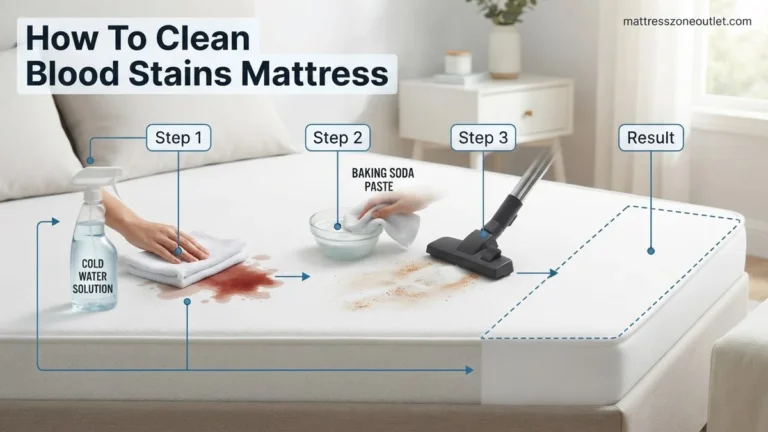
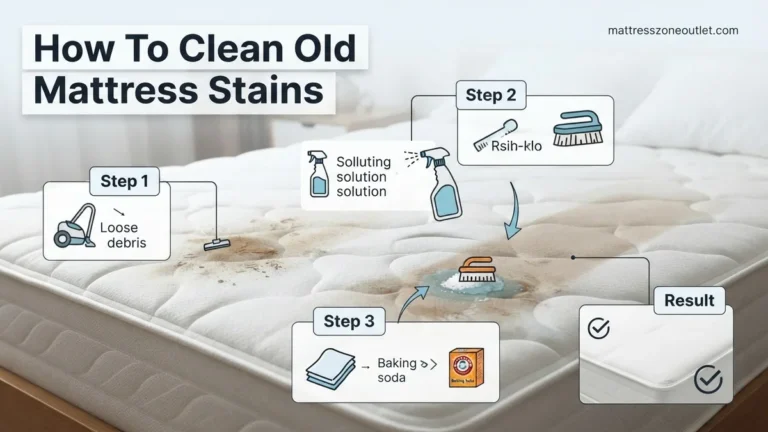
Step 3: Pre-Treat Stubborn Stains
What you need: Hydrogen peroxide, liquid dish soap, baking soda, a spray bottle, and a clean white cloth.
Instructions: Baking soda works wonders for odors, but liquid stains require a specialized spot cleaner. Mix 8 ounces of 3 percent hydrogen peroxide, 3 drops of liquid dish soap, and 2 tablespoons of baking soda in a bowl until dissolved. Pour the mixture into a spray bottle and lightly mist any visible sweat, urine, or blood stains. Blot the area gently with a clean white cloth—never rub, as rubbing pushes stains deeper into the padding. Allow the spot-treated areas to air dry completely before moving on to the next step.
Pro Tip: Always test a small, hidden corner of your mattress with the peroxide mixture first to ensure it does not discolor the fabric.
Step 4: Infuse Essential Oils for Fragrance
What you need: 1 to 2 boxes (approx. 16 to 32 ounces) of pure baking soda and 15 to 20 drops of therapeutic-grade essential oil (lavender, eucalyptus, or tea tree are excellent choices).
Instructions: While plain baking soda is fantastic at neutralizing odors, adding essential oils gives your mattress a spa-like scent. Pour your baking soda into a large mixing bowl. Add 15 to 20 drops of your preferred essential oil. Whisk the mixture thoroughly with a fork or spoon to break up any clumps and distribute the oil evenly throughout the powder. If you prefer a completely scent-free clean due to chemical sensitivities or severe allergies, you can skip the essential oils and use plain baking soda safely.
Pro Tip: Avoid citrus oils like lemon or orange, as they can sometimes leave a yellowish tint when combined with natural fabric dyes.
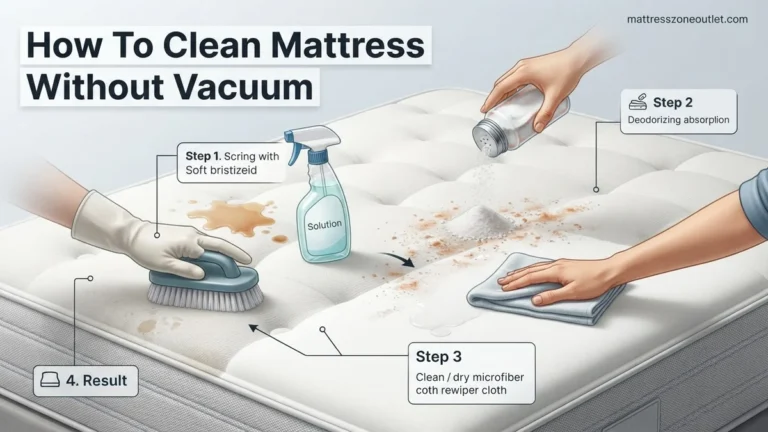
Step 5: Apply and Distribute the Baking Soda
What you need: The prepared baking soda and essential oil mixture, plus a fine-mesh flour sifter.
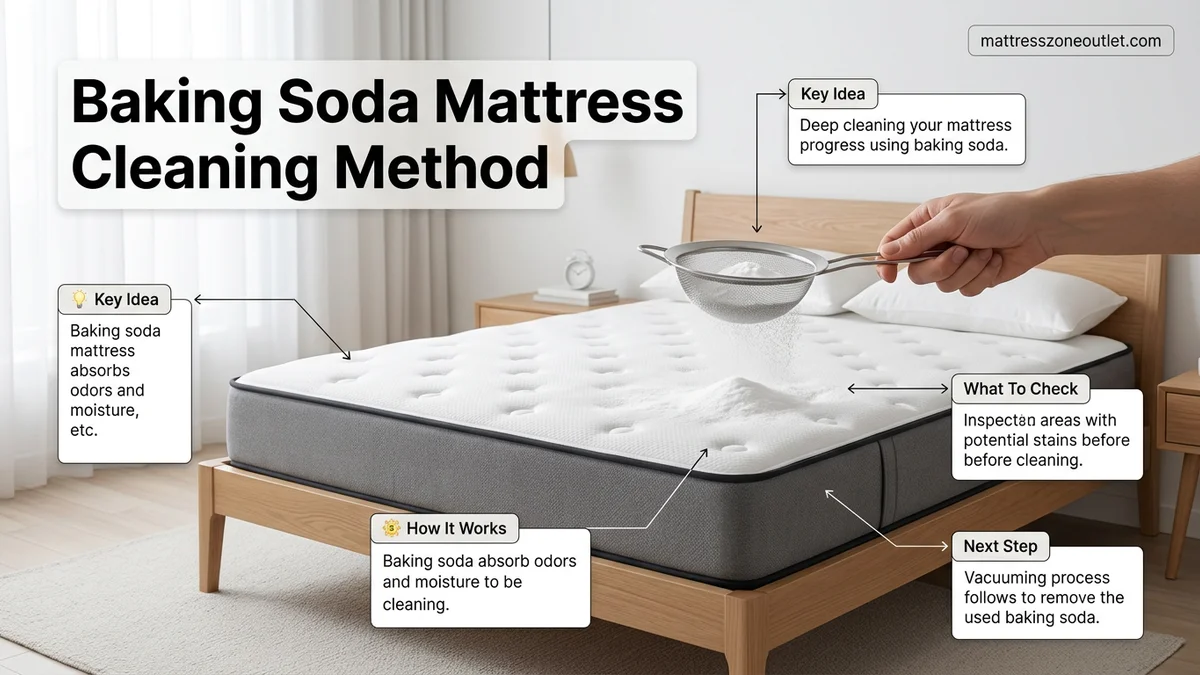
Instructions: Take your scented baking soda mixture and load it into a fine-mesh sifter. Hold the sifter a few inches above the mattress and gently shake it back and forth to create an even, snowy layer across the entire top surface. You want a consistent, opaque white blanket of baking soda that completely covers the fabric. The baking soda will absorb trapped moisture, body oils, and stubborn odors over the next several hours. Make sure to distribute the powder evenly so every square inch of the sleeping area receives treatment.
Pro Tip: Do not just dump piles of baking soda onto the mattress; a sifter ensures economical coverage and prevents you from having to vacuum up massive, thick clumps later.
Step 6: Let the Treatment Work Its Magic
What you need: Natural sunlight (optional) and time (minimum 4 to 8 hours).
Instructions: Allow the baking soda to sit undisturbed on the mattress for at least 4 to 8 hours. For maximum odor and moisture absorption, leave the treatment on overnight. If your bedroom receives direct, bright sunlight through the windows, pull back the curtains to let the sun hit the mattress. Ultraviolet light helps naturally kill bacteria and mold spores, working synergistically with the baking soda. Keep children and pets away from the bedroom during this resting period so the baking soda layer remains entirely undisturbed.
Pro Tip: Setting a smart-home timer or phone alarm reminds you when the resting window is complete so you can proceed with making the bed.
Step 7: Vacuum and Protect Your Clean Mattress
What you need: A vacuum cleaner with a clean upholstery attachment and a fresh mattress protector.
Instructions: Once the resting time has elapsed, take your vacuum cleaner with the clean upholstery attachment and thoroughly vacuum every trace of baking soda from the mattress top and sides. Make slow, deliberate passes to pull the powder out from deep within the fabric weave. Once the mattress is completely free of powder, immediately encase it in a high-quality, breathable mattress protector before making the bed with your freshly laundered sheets. This protector acts as a barrier against future sweat, skin cells, and spills.
Pro Tip: Vacuuming baking soda can strain some standard household vacuums; clean your vacuum filter and empty the canister immediately after finishing this step.
✅ Final Checklist
- All bedding was stripped and laundered in hot water to eliminate dust mites.
- The mattress surface and crevices were thoroughly vacuumed prior to treatment.
- All specific stains were pre-treated and allowed to dry completely.
- An even, opaque layer of baking soda sat on the mattress for at least 4 to 8 hours.
- All powder residue was fully vacuumed away before installing a fresh mattress protector.
Important Notes:
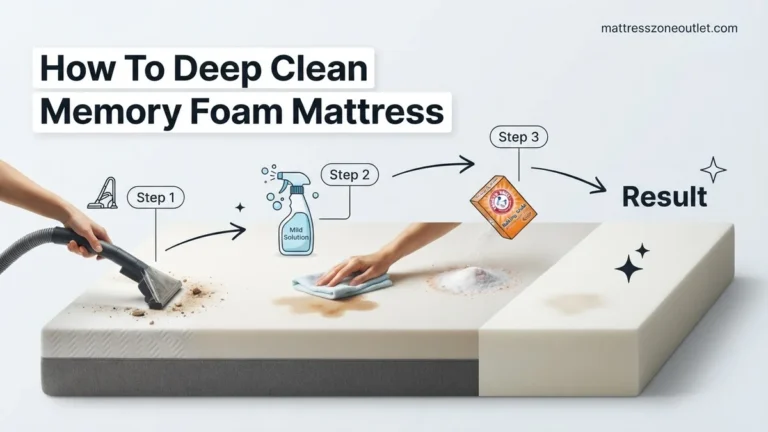
- Avoid getting memory foam or latex mattress cores overly wet during the stain pre-treatment phase, as trapped moisture can promote mold growth.
- Seek professional mattress cleaning services if your mattress suffers from severe biological contamination, extensive water damage, or deep-set mold.
- Estimated time: 30 minutes of active labor, plus 4 to 8 hours of passive resting time; estimated cost: less than $10 using standard household ingredients.
How the Baking Soda Mattress Cleaning Method Neutralizes Smells
The Alkaline Chemistry at Work
Baking soda, scientifically known as sodium bicarbonate, is a mild alkaline compound. Most household odors—from pet dander and sweat to spilled drinks—are acidic in nature. When you apply baking soda across your mattress, a chemical neutralization process occurs. The alkaline powder reacts with the acidic odor molecules, transforming them into neutral, odorless salts rather than just covering them up.
- Neutralizes both strong acidic and basic odor compounds on contact.
- Provides a completely dry treatment option, preventing further moisture damage to internal padding.
- Safe for memory foam, latex, and traditional innerspring mattress materials.
Moisture Absorption and Surface Lifting
Beyond chemical neutralization, baking soda functions as a powerful physical desiccant. The fine crystalline structure of the powder acts like thousands of microscopic sponges. As it rests on your mattress surface, it draws out lingering oils, grease, and residual humidity trapped in the upper fabric fibers. When you finally vacuum the powder away, you are physically removing the trapped debris alongside it.
Step-by-Step Guide to Cleaning Your Mattress with Baking Soda
Executing a deep clean requires precision to protect mattress fibers and maximize deodorization. According to textile maintenance guidelines from the International Sanitary Supply Association (ISSA), dry-extraction methods yield the highest particulate reduction without promoting mold growth.
1. Strip and Vacuum the Surface
Remove all bedding, mattress pads, and pillows. Vacuum the entire top and side surfaces thoroughly using an upholstery attachment. This eliminates loose skin cells, dust mites, and surface debris that would otherwise form a muddy paste when mixed with cleaning agents.
2. Apply the Baking Soda and Essential Oils
Mix two cups of pure baking soda with 15 to 20 drops of therapeutic-grade essential oil in a glass bowl. Sift the mixture evenly across the entire mattress surface using a fine-mesh flour sifter. The sifting action ensures a uniform layer that maximizes surface contact.
3. Allow Extended Dwell Time
Let the mixture sit undisturbed for a minimum of four to six hours. For optimal results in 2026 household maintenance routines, leaving the powder on for eight hours—or overnight—allows the sodium bicarbonate to fully absorb embedded volatile organic compounds (VOCs) and deep-set moisture.
4. Perform a Final High-Power Extraction
Use a vacuum cleaner equipped with a HEPA filter to extract all the baking soda. Move the vacuum slowly in overlapping grid patterns across the mattress. Ensure no powder residue remains in tufts or quilting channels, as trapped residue can attract future moisture.
What If Stubborn Stains and Odors Still Remain After Cleaning
Sometimes, heavy organic stains or deep-set biological odors outlast a standard baking soda treatment. When routine dry extraction is insufficient, targeted intervention is required to restore the sleep surface.
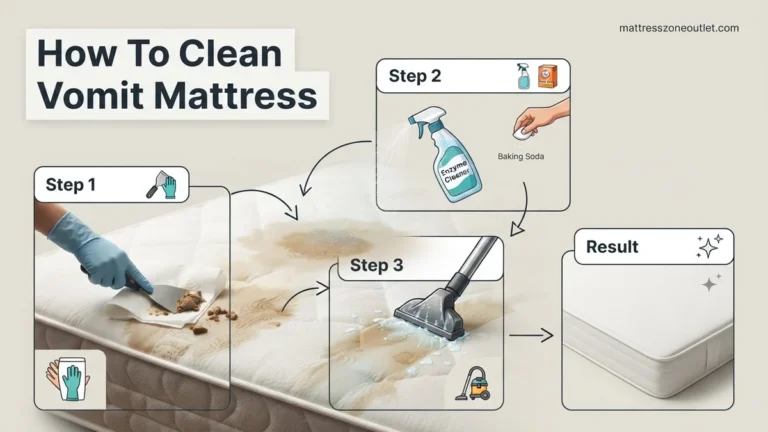
- Target protein stains with enzymatic cleaners: Apply a commercial bio-enzymatic spray directly to remaining yellowing or organic spots. Enzymes break down complex proteins rather than just masking them.
- Deploy a hydrogen peroxide spot treatment: For persistent organic discoloration, mix 8 ounces of hydrogen peroxide, 3 tablespoons of baking soda, and a single drop of liquid dish soap. Dab the solution onto the stain gently without saturating the internal foam layers.
- Utilize professional deep-extraction services: If deep-seated odors or large water rings persist, hire a certified textile restoration specialist. Professional hot-water extraction or ozone treatment typically costs between $100 and $250 depending on mattress size.
- Install a barrier protection system: Once the mattress is completely dry, encase it in a waterproof, hypoallergenic mattress protector to prevent future deep-layer contamination.
Conclusion
Maintaining a fresh sleep environment requires consistent upkeep, and the baking soda mattress cleaning method remains a cost-effective, chemical-free standard. By neutralizing organic acids and absorbing trapped moisture, sodium bicarbonate significantly extends the lifespan of your mattress. According to verified research and expert sources from the National Sleep Foundation, deep-cleaning your mattress twice a year drastically reduces indoor allergen concentrations. Make your next actionable step stripping your bed this weekend to perform a full eight-hour baking soda extraction.
❓ Frequently Asked Questions
Can I use baking soda on a memory foam mattress?
Yes, baking soda is completely safe to use on memory foam mattresses. Because memory foam retains heat and moisture easily, this dry-powder method is ideal for regular maintenance without risking water damage.
What kind of essential oils work best with baking soda?
Lavender, eucalyptus, and tea tree oils are popular choices because they provide a calming or clean scent while offering natural antimicrobial properties. Be sure to mix the drops thoroughly into the baking soda before sifting to avoid clumping.
What should I do if my vacuum cleaner gets clogged with baking soda?
Fine baking soda powder can sometimes clog standard vacuum filters if they are already dirty. Clean your vacuum filter beforehand, and use the hose attachment rather than the main roller brush for easier cleanup.
How do I treat sweat or urine stains alongside the baking soda?
For liquid stains, blot the area first and apply a mixture of hydrogen peroxide, dish soap, and water. Let that dry completely before applying baking soda over the entire mattress to deodorize the rest of the surface.
Does baking soda kill dust mites in a mattress?
While baking soda absorbs the ambient humidity that dust mites need to survive, it does not actively kill them. Vacuuming the powder afterward physically removes dead mites, allergens, and skin cells from the surface layers.
Can I leave the baking soda on my mattress for 24 hours?
Yes, leaving the baking soda on for 24 hours is completely safe and will simply give the powder more time to absorb deeply embedded odors and moisture. Just ensure pets and children stay off the bed during this time.