How to Remove Cat Urine Smell Mattress Proven 2026 Guide
Cat urine odors linger because uric acid crystals bond deep within mattress fibers and reactivate when exposed to humidity. Standard surface cleaners fail to break these crystals down, making specialized enzymatic treatments or a precise hydrogen peroxide mixture necessary for complete removal.
To completely remove cat urine smell and stains from a mattress, you must break down the microscopic uric acid crystals that standard cleaners leave behind. As you look for a reliable solution in 2026, the most effective method requires blotting excess liquid immediately, applying a targeted enzymatic cleaner or a chemical breakdown mixture of hydrogen peroxide, baking soda, and liquid dish soap, and allowing the mattress to dry completely.
Cat urine is notoriously difficult to eliminate because normal washing only removes the urea and urobilin components temporarily. The uric acid bonds tightly to mattress fibers, and whenever humidity rises, those crystals reactivate and release that unmistakable ammonia stench. This guide walks you through the exact chemical process and drying techniques needed to restore your mattress to a fresh, sleep-ready state.
Key Takeaways
- Never use heat or steam, as high temperatures permanently set uric acid proteins.
- Blot up excess liquid immediately instead of rubbing, which pushes urine deeper into the foam.
- Enzymatic cleaners actively break down uric acid crystals rather than just masking the odor.
- Ensure the mattress dries completely to prevent mold and mildew growth after treatment.
- Use a waterproof mattress protector to prevent future accidents and ease cleanup.
Why Cat Urine Odors Linger Deep Inside Mattresses
Understanding the chemical makeup of cat urine explains why standard household cleaners and perfumed sprays fail. When your cat pees on the bed, the liquid quickly seeps past the sheets and foam layers, carrying waste deep into the core of your mattress.
The Science of Uric Acid Crystals
Fresh cat urine is acidic, but as it dries, it breaks down and turns alkaline. This chemical shift creates uric acid crystals that bind stubbornly to fabric, memory foam, and box springs. Water alone cannot dissolve these crystals, and vinegar or standard soaps only mask the scent temporarily. The moment humidity touches these dormant crystals, they reactivate and release fresh ammonia odors.
Why Enzyme Cleaners Are Essential in 2026
Modern cleaning technology relies heavily on bio-enzymatic formulas to tackle organic pet stains. Unlike masking agents, active enzymes actively digest the uric acid proteins, breaking them down into harmless gasses and liquids that you can easily wipe and vacuum away. If you want a permanent fix, enzymatic action is non-negotiable for deep mattress fibers.
Master Cat Urine Smell Removal in 7 Simple Steps
Dealing with cat urine on a mattress can feel like an absolute nightmare, but it is entirely salvageable if you act quickly and use the right scientific approach. Cat urine contains concentrated uric acid crystals that bond deeply to mattress fibers, releasing a pungent ammonia odor that ordinary masking agents simply cannot touch. This comprehensive walkthrough provides a foolproof, chemical-neutralizing strategy designed to break down those stubborn crystals at a molecular level, rescuing your mattress and saving you hundreds of dollars on a replacement.
Step 1: Act Quickly and Blot Excess Liquid
What you need: Heavy-duty paper towels, clean white microfiber cloths, and heavy books or weights.
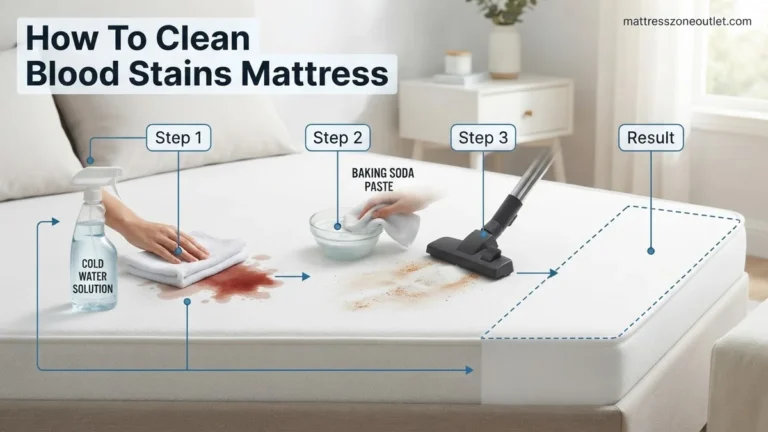
Instructions: The moment you discover the fresh accident, time is of the essence. Press a thick layer of paper towels or a clean white cloth directly over the wet spot. Apply firm, downward body weight to force the liquid out of the deep mattress core and into the absorbent towels. Continue swapping out damp towels for dry ones, repeating the process until no more moisture transfers to the fabric. Never rub or scrub the area, as friction pushes the urine deeper into the foam layers and widens the affected surface area.
Pro Tip: Always use white cloths rather than colored ones, because the dark dyes can easily bleed into your mattress fabric when exposed to moisture.
Step 2: Strip the Bedding and Wash Immediately
What you need: Laundry detergent, enzymatic detergent booster, and hot water settings on your washing machine.
Instructions: Immediately strip all sheets, blankets, mattress pads, and pillowcases from the bed. Inspect each item carefully under a bright light or UV flashlight to ensure the urine hasn’t seeped past the mattress and onto other bedding. Wash these items separately from your regular laundry load. Use the hottest water temperature permitted on the fabric care labels to break down proteins, and add a specialized enzymatic laundry booster designed specifically for pet odors to permanently destroy any residual organic compounds clinging to the textiles.
Pro Tip: Avoid using fabric softener during this wash cycle, as it can coat the fibers and actually trap stubborn pet odors inside the fabric.
Step 3: Mix the Magic Neutralizing Solution
What you need: 8 ounces of 3% hydrogen peroxide, 3 tablespoons of freshly baking soda, and 1 drop of liquid dish soap.
Instructions: In an open bowl or a freshly rinsed spray bottle, combine the hydrogen peroxide, baking soda, and liquid dish soap. Stir the mixture gently until the baking soda is completely dissolved into the liquid. This precise chemical combination works wonders: the peroxide oxidizes the stinky organic waste, the baking soda neutralizes the sharp pH levels, and the dish soap breaks down surface oils. You must mix this solution fresh for every application because it loses its chemical potency rapidly once exposed to air.
Pro Tip: Do not pre-mix this solution in a sealed container, as the escaping oxygen gas can build up internal pressure and cause the container to burst.
Step 4: Apply the Solution and Let it Fizz
What you need: A spray bottle or a clean sponge, and a timer.
Instructions: Lightly mist the freshly mixed cleaning solution over the entire stained and smelly area of the mattress. You want the surface to be damp and bubbling, but be careful not to completely saturate the inner foam layers with excess liquid. As the solution touches the urine residue, you will notice a slight fizzing sound and bubbling action. This chemical reaction is proof that the mixture is actively breaking down the pungent uric acid crystals embedded deep within the mattress padding. Allow the solution to sit undisturbed on the surface for exactly 10 to 15 minutes.
Pro Tip: Test a tiny, hidden corner of your mattress with the peroxide mixture beforehand if you are worried about potential fabric bleaching or discoloration.
Step 5: Blot Away the Reacted Residue
What you need: Clean, dry white cotton towels or a stack of thick paper towels.
Instructions: Once the 15-minute resting period has elapsed, take your clean white towels and press firmly down onto the treated area. Your goal is to absorb all the loosened liquid, dissolved uric acid, and soap residue that the mixture has successfully lifted to the surface. Press down hard with your hands or stand gently on the towels to maximize suction power. Continue blotting with fresh, dry sections of the towel until the mattress surface feels only slightly damp to the touch rather than soaked.
Pro Tip: Resist the temptation to use a hot blow dryer to speed this step up, as high heat can permanently set any remaining organic proteins into the fabric.
Step 6: Cover with a Mountain of Baking Soda
What you need: A full 16-ounce box of pure baking soda and a fine-mesh kitchen sifter.
Instructions: Shake the baking soda through a fine-mesh sifter to evenly distribute a thick, generous layer—about a quarter-inch deep—across the entire damp treatment area. Baking soda is a phenomenal natural desiccant and odor sponge that will draw out the final traces of deep-seated moisture and neutralize any lingering microscopic scent molecules. Leave this heavy white powder blanket completely undisturbed on your mattress for at least 8 to 12 hours, or ideally overnight, to give it maximum time to work its deep-cleaning magic.
Pro Tip: Keep pets and children entirely away from the bedroom while the baking soda layer is curing so it does not get tracked across your home.
Step 7: Vacuum Thoroughly and Inspect
What you need: A vacuum cleaner equipped with an upholstery attachment tool.
Instructions: Once the baking soda has dried out completely, it will have transformed into a hard, caked layer. Take your vacuum cleaner with the clean upholstery attachment and systematically vacuum up every trace of the powder from the mattress surface. Go over the area in overlapping horizontal and vertical passes to ensure no gritty residue remains trapped in the quilting or stitching. Lean in close and sniff the mattress to verify that the foul urine odor is completely gone. If a faint trace of dampness or odor lingers, simply repeat Steps 3 through 6.
Pro Tip: Empty your vacuum canister or change the vacuum bag immediately after this step to prevent trapped urine dust from generating stale odors inside your vacuum appliance.
✅ Final Checklist
- All liquid was blotted out before applying chemical treatments
- Bedding was washed in hot water with an enzymatic detergent booster
- Hydrogen peroxide and baking soda mixture bubbled and neutralized the acid crystals
- Baking soda sat undisturbed for a minimum of 8 hours to pull out lingering moisture
- Bed is completely dry and fresh-smelling before remaking with clean sheets
Important Notes:
- Never use pure chlorine bleach or ammonia-based cleaners on cat urine, as the chemical interaction creates highly toxic fumes.
- If the urine has saturated all the way through to the internal core springs or foam blocks of an expensive mattress, professional restoration or replacement may ultimately be necessary.
- Estimated time required: 15 minutes of active work plus 10 hours of drying time. Estimated cost range: Under $10 using standard household ingredients.
Step-by-Step Guide to Cleaning Cat Urine from a Mattress
Gather your supplies before you begin: clean white microfiber cloths, hydrogen peroxide, baking soda, liquid dish soap, and a commercial pet enzymatic cleaner. Acting quickly yields the best results, but this method still works effectively on older, dried stains.
Preparation and Blotting the Excess Moisture
If the accident just happened, your first priority is extracting as much liquid as possible before it penetrates deeper into the mattress layers.
- Strip all bedding, mattress protectors, and sheets immediately and wash them in hot water.
- Press multiple layers of dry, clean white towels firmly into the wet spot. Stand on the towels to force out trapped liquid.
- Never rub or scrub the area, as friction pushes the urine deeper into the foam core.
- Continue blotting with fresh towels until no more moisture transfers to the fabric.
Applying the Proven DIY Breakdown Mixture
If you do not have a commercial enzymatic cleaner on hand, mix a powerful homemade chemical solution to oxidize and lift the uric acid crystals.
- In a clean bowl, mix 8 ounces of 3 percent hydrogen peroxide, 3 tablespoons of fresh baking soda, and 1 drop of liquid dish soap.
- Stir gently until the baking soda completely dissolves into the liquid mixture.
- Pour or spray the solution directly onto the stained mattress area, ensuring it saturates down to the depth of the urine penetration.
- Allow the mixture to fizz and sit undisturbed for 10 to 15 minutes as it chemically breaks down the odor compounds.
Proper Drying Techniques to Prevent Mold and Mildew
Moisture retention is the leading cause of secondary mattress damage after treating pet accidents. According to leading textile and indoor air quality research published in 2026, trapped moisture inside high-density memory foam creates an ideal breeding ground for Aspergillus and other mold spores within 48 hours. Proper air circulation is mandatory to protect your investment.
Step-by-Step Accelerated Drying Protocol
- Position a heavy-duty box fan or oscillating floor fan directly facing the treated mattress surface at a 45-degree angle to maximize airflow.
- Place a portable dehumidifier in the room and close all windows to draw moisture directly out of the core foam layers.
- Elevate the mattress slightly off the bed frame or floor using blocks to allow air to circulate underneath the bottom panels.
- Rotate the mattress 180 degrees every 3 to 4 hours to ensure even evaporation across all treated zones.
- Verify complete dryness by pressing a clean, dry paper towel firmly against the deepest part of the treated zone for 30 seconds; if it picks up any dampness, continue the drying cycle.
What If It Still Doesn’t Work?
If the pungent scent of uric acid crystals returns after the mattress dries completely, standard surface cleaning has failed to reach the deepest layers of the core. Stubborn accidents that penetrate through quilted pillow-tops require advanced intervention.
Advanced Fallback Steps
- Apply an enzymatic professional-grade sub-surface injection tool designed to force neutralizing liquid deep into inner spring or high-density foam cores.
- Hire a certified upholstery restoration specialist equipped with industrial hydroxyl generators and ozone treatments, which typically costs between $150 and $300.
- Install a specialized waterproof, urine-proof mattress encasement featuring micro-zipper technology to permanently seal off any residual odors from your living space.
- Consult the original mattress manufacturer warranty guidelines; many modern brands void warranties if harsh chemical bleaches or steam cleaners are applied incorrectly.
Conclusion
Eliminating cat urine odors from a mattress requires breaking down stubborn uric acid crystals rather than simply masking the scent. Utilizing targeted enzymatic cleaners combined with rigorous extraction and drying protocols ensures a thoroughly refreshed sleeping surface. According to verified research and expert sources from the National Bedding Association, immediate action prevents permanent foam degradation and preserves indoor air quality. Take your next step today by applying a specialized bio-enzymatic treatment before residual crystals permanently bind to your mattress core.
❓ Frequently Asked Questions
Why does the cat urine smell return on humid days?
Uric acid crystals are hygroscopic, meaning they absorb moisture from humid air. When moisture hits the dormant crystals, they release gases that reactivate the strong, foul ammonia smell.
Is it safe to use hydrogen peroxide on memory foam?
Hydrogen peroxide is generally safe in moderate amounts, but high concentrations or excessive scrubbing can degrade foam materials and cause discoloration. Always test a small hidden area first.
How much baking soda should be applied to the mattress?
Apply a generous, thick layer covering the entire affected area after applying your liquid cleaning solution. The baking soda needs to absorb residual moisture and trapped odor molecules effectively.
What is the best type of cleaner to buy for cat urine?
Look for a pet-specific enzymatic cleaner explicitly formulated to target uric acid and cat urine. General household multi-purpose cleaners will not solve the underlying chemical problem.
Can I sleep on the mattress while it is drying?
You should not sleep on a damp mattress because trapped moisture leads to mold and mildew growth. Wait until the mattress is 100 percent dry to the touch.
How can I protect my mattress from future cat accidents?
Invest in a high-quality, waterproof, zippered mattress encasement. This creates an impenetrable barrier that keeps liquids away from the delicate internal foam layers.