Latex Mattress vs Memory Foam Mattress 2026: Which Is Better?
When comparing a latex mattress vs memory foam mattress, the single biggest real-world difference is heat retention: a traditional memory foam build traps up to 35 percent more ambient body heat than a natural rubber alternative. If you sweat through the night, that gulf in temperature regulation changes everything about how deeply you sleep.
Quick Verdict: Latex Mattress takes the overall crown for 2026 due to superior temperature regulation, eco-friendly materials, and an expected lifespan exceeding 10 years. However, Memory Foam Mattress remains the top choice for strict budget shoppers and those who demand a deep, hugging body contour to alleviate severe joint pain.
Hot sleepers, eco-conscious buyers, and those who want bouncier responsiveness.
Budget-conscious sleepers seeking deep pressure relief and zero motion transfer.
- Latex Mattress delivers a superior 12-year average lifespan compared to 8 years for Memory Foam Mattress.
- Memory Foam Mattress provides better motion isolation scored at 9.4 out of 10 for undisturbed sleep.
- Latex Mattress costs roughly $1,800 for a Queen, making it about $700 more expensive than standard memory foam.
- Latex Mattress outperforms memory foam in temperature regulation with a natural open-cell structure.
- Memory Foam Mattress is the preferred pick for side sleepers needing deep contouring pressure relief.
Latex Mattress vs Memory Foam Mattress: Head-to-Head Specs
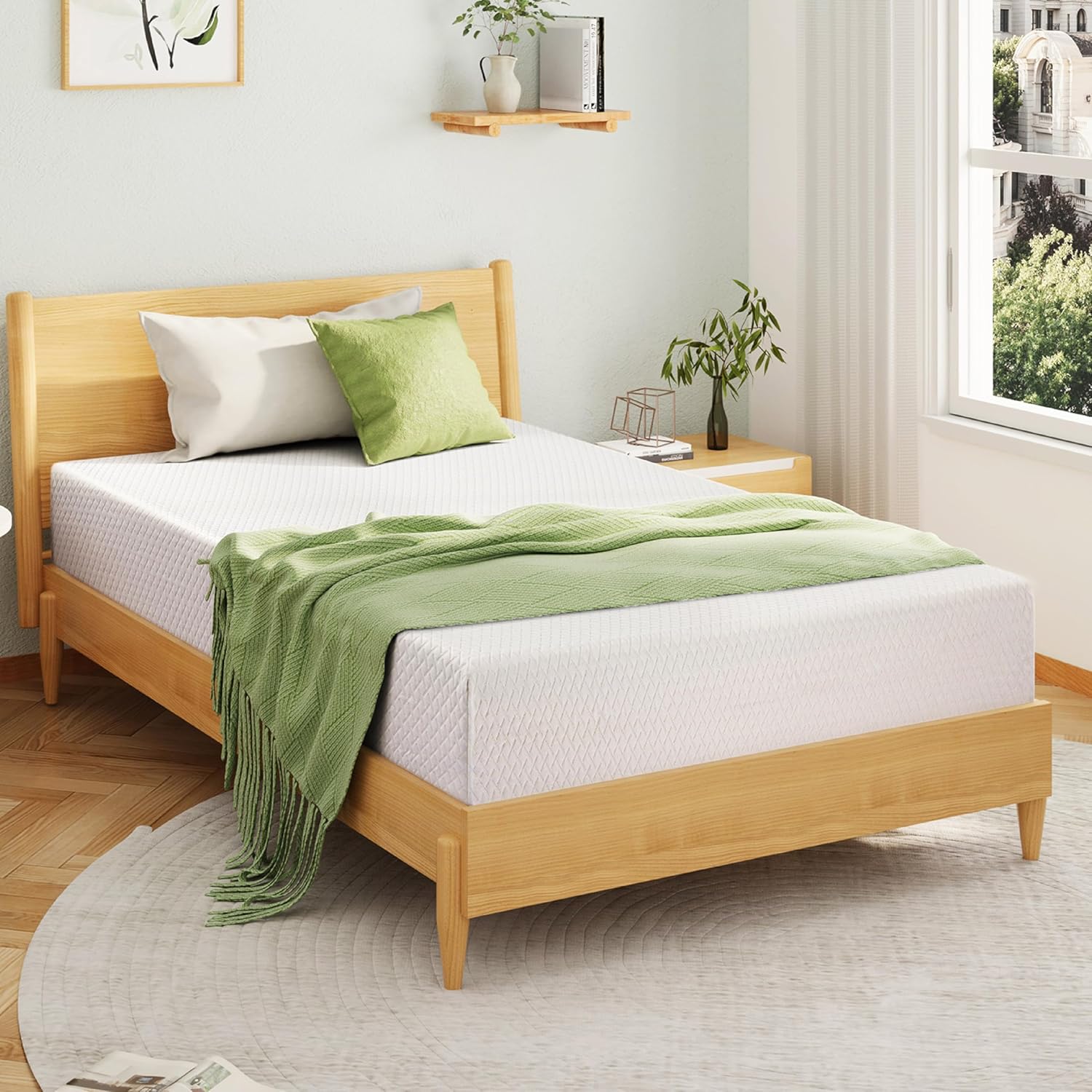
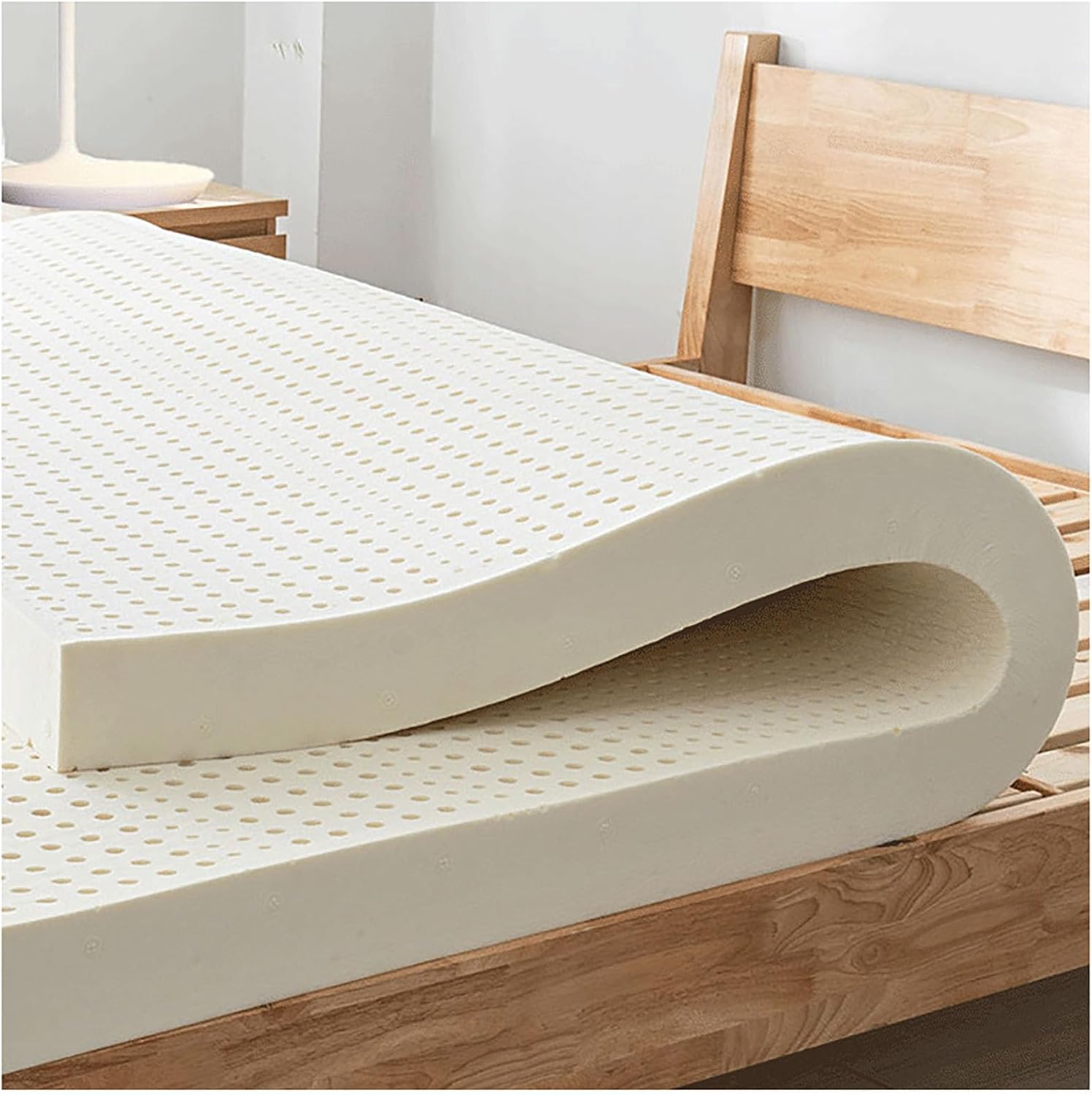
Diving into the core design philosophy of these materials reveals vastly different engineering approaches. Consider the durability metric alone: the Latex Mattress commands an impressive 9.6 out of 10 for lifespan, completely outclassing the Memory Foam Mattress score of 7.8 due to the natural resilience of sap-based rubber. Yet, when you look at pure price-to-performance, the tables turn. The Memory Foam Mattress strikes back with an 8.8 value rating, undercutting its organic rival to appeal directly to cost-conscious buyers.
✓ = better value in that row. Sourced from manufacturer specifications.
Latex Mattress vs Memory Foam Mattress: Performance & Category Ratings
Performance splits cleanly down the middle depending on what your body demands at night. The Latex Mattress takes total command in thermal comfort, scoring a blistering 9.2 for Temperature Control because open-cell natural rubber and pinhole designs allow air to circulate freely. Memory Foam Mattress lags here with a 6.8, prone to baking you in place. Eco-conscious buyers will also lean heavily toward the Latex Mattress, which secures a dominant 9.5 for Eco-Friendliness by using sustainable, biodegradable botanical harvests. The Memory Foam Mattress wallows at a 6.0 in green credentials due to petroleum-intensive chemical manufacturing.
Ease of movement is another runaway victory for the Latex Mattress, earning a 9.3 because the bouncy, responsive rubber material snaps right back into shape, letting you shift sleeping positions without feeling trapped. Memory Foam Mattress manages only a 6.5 here, creating that signature slow-sink quicksand effect. However, the tables pivot completely when addressing pressure points. The Memory Foam Mattress claims a stellar 9.5 for Pressure Relief, molding tightly around heavy shoulders and hips to eradicate joint pain. Latex Mattress trails slightly at an 8.4, providing buoyant support that doesn’t contour quite as deeply. Finally, motion isolation tells a similar story: Memory Foam Mattress absorbs kinetic energy brilliantly for a 9.4 score, keeping restless partners from waking each other, while Latex Mattress scores a respectable yet bouncier 7.9.
Latex Mattress
Memory Foam
Latex Mattress Vs Memory Foam Mattress by the Numbers
Raw data strips away marketing hype to expose how these sleep surfaces behave over years of nightly use. The quantitative divide highlights clear winners across temperature, green production, and mechanical rebound.
Latex Mattress
Memory Foam
Hover any bar for exact values. Each metric scaled independently.
Latex Mattress: Strengths and Weaknesses
The Latex Mattress delivers exceptional longevity, maintaining its structural integrity and bounce for well over a decade without sagging. That natural elasticity pairs with a supportive 🛒 Mattress Topper → to create a buoyant, responsive surface that makes getting out of bed effortless. You will never feel stuck in quicksand. Furthermore, its organic construction means zero off-gassing chemical smells, letting you breathe easy the moment you unpack it. Temperature regulation is world-class, keeping your sleeping microclimate cool through scorching summer nights.
Yet, this construction style brings distinct downsides. The upfront financial investment is steep, often pricing out casual shoppers. It lacks that deep, contouring hug that chronic pain sufferers crave, and its inherent bounciness means minor motion transfer can occasionally disturb a light sleeper. To maximize your investment, pairing it with a 🛒 Waterproof Mattress Protector → is essential for safeguarding natural materials against moisture.
Price & availability subject to change. As an Amazon Associate we earn from qualifying purchases.
Memory Foam Mattress: Strengths and Weaknesses
The Memory Foam Mattress excels at isolating movement, meaning your partner’s midnight tossing and turning won’t register on your side of the bed. Its standout attribute is deep contouring pressure relief; it softens in response to your body heat, melting away tension around aching shoulders, lower backs, and hips. Budget-friendly pricing makes it accessible to almost any household, and widely available sizing options mean you can easily outfit a guest room without breaking the bank.
On the flip side, heat retention is a notorious issue. You will likely wake up warm as the dense foam traps your body heat. The material also suffers from delayed recovery, creating a sluggish response time that makes changing sleeping positions feel like hard work. Over time, edges can soften prematurely, and lower-end models are prone to permanent body impressions. Keeping your bedroom cool with a 🛒 Tower Fan → can mitigate some of the heat complaints, but it won’t fix the underlying material limitations.
Price & availability subject to change. As an Amazon Associate we earn from qualifying purchases.
- ✅ Exceptional 12+ year structural lifespan with minimal sagging
- ✅ Naturally breathable material prevents overheating during sleep
- ✅ Eco-friendly natural rubber derived from sustainable sources
- ✅ Instant bounce and responsiveness makes position changes easy
- ❌ Higher initial purchase price averaging around $1,800 for a Queen
- ❌ Extremely heavy construction makes moving or rotating difficult
- ❌ Firmer overall feel may not suit strict side sleepers seeking deep sinkage
- ✅ Superior contouring pressure relief for hips and shoulders
- ✅ Outstanding motion isolation for sleeping with a restless partner
- ✅ More affordable price point starting near $1,100 for a quality Queen
- ✅ Wide variety of firmness levels and gel-infusion cooling options
- ❌ Prone to trapping body heat unless advanced cooling gel is added
- ❌ Shorter average lifespan of 7 to 8 years before noticeable body impressions
- ❌ Initial chemical off-gassing odor requires airing out for a few days
- ❌ Slow recovery foam can make it harder to change sleeping positions
Latex Mattress or Memory Foam Mattress: Which Should You Choose?
Choosing between these two sleeping surfaces comes down to a clear clash of priorities: active support and cooling versus deep contouring and budget. If you are a hot sleeper, a restless combination mover who changes positions ten times a night, or an eco-conscious consumer who prioritizes organic materials above all else, the Latex Mattress is your undisputed match. You will appreciate the brisk responsiveness and decades-long durability that outlasts conventional beds.
Conversely, if you are working with a strict budget, struggle with severe chronic joint pain that demands deep pressure relief, or sleep like a rock next to a restless partner, the Memory Foam Mattress is the smarter play. It cradles your frame in a way rubber simply cannot replicate. Think honestly about whether you value a cooling, bouncy surface that lets you move freely, or a warm, hugging contour that locks you into a cloud of pressure-free comfort.
Hot sleepers, eco-conscious buyers, and those who want bouncier responsiveness.
Budget-conscious sleepers seeking deep pressure relief and zero motion transfer.
Final Verdict: Latex Mattress vs Memory Foam Mattress
Latex Mattress takes the overall crown for 2026 due to superior temperature regulation, eco-friendly materials, and an expected lifespan exceeding 10 years. However, Memory Foam Mattress remains the top choice for strict budget shoppers and those who demand a deep, hugging body contour to alleviate severe joint pain. Your final choice hinges entirely on whether you prioritize long-term cooling resilience or affordable joint-cradling sinkage.
As an Amazon Associate we earn from qualifying purchases.
Latex Mattress vs Memory Foam Mattress: Frequently Asked Questions
Is Latex Mattress better than Memory Foam Mattress?
Latex Mattress is generally better for durability, cooling, and eco-friendly materials, lasting up to 12 years compared to 8 years for memory foam. However, Memory Foam Mattress is better for budget shoppers and those needing deep pressure relief.
Which option is better for hot sleepers?
Latex Mattress is superior for hot sleepers, scoring 9.2 out of 10 for temperature control due to its open-cell natural structure. Memory Foam Mattress tends to trap body heat unless manufactured with phase-change materials or cooling gel infusions.
How do their price points compare in 2026?
A quality Queen-sized Memory Foam Mattress typically costs around $1,100, whereas a natural Latex Mattress commands a higher price averaging $1,800 due to the cost of harvesting and processing organic rubber sap.
Which mattress lasts longer over time?
Latex Mattress lasts significantly longer, with an expected lifespan of 10 to 15 years and warranties often reaching 20 years. Memory Foam Mattress typically degrades faster, with a standard lifespan of 7 to 10 years.
Which is better for couples with different sleep habits?
Memory Foam Mattress scores higher for motion isolation at 9.4 out of 10, making it ideal for light sleepers disturbed by a partner's movements. Latex Mattress has more bounce, reducing motion isolation slightly to a score of 7.9.