Innerspring vs Foam Mattress 2026: Which Is Better?
You’re staring at the bedroom ceiling at 2 AM, tossing and turning because your current bed feels like a medieval torture device, and you’re completely torn between a classic Innerspring and a modern Foam Mattress. Shopping for a new bed can feel paralyzing when every manufacturer claims their product is the secret to perfect sleep, leaving you questioning which technology actually fits your body. We’ve crunched the hard data, tested the edge support, and measured the pressure relief to give you a definitive, data-backed answer so you can finally stop guessing and start sleeping.
Quick Verdict: Foam Mattress wins the overall comparison for modern sleepers due to superior motion isolation and pressure relief, though Innerspring remains the top choice for those prioritizing traditional bounce, budget-friendly pricing, and edge support. Your ultimate choice depends on whether you suffer from joint pain or prefer a responsive, cooler surface.
Back sleepers, hot sleepers, and budget buyers wanting traditional bounce.
Side sleepers, couples, and those needing relief from chronic joint pain.
- Innerspring costs an average of $700, making it roughly $200 cheaper than a standard Foam Mattress.
- Foam Mattress reduces motion transfer by up to 85%, outperforming traditional coil designs.
- Innerspring provides superior edge support with reinforced steel perimeters.
- Foam Mattress offers an extended lifespan of up to 10 years with high-density materials.
- Both mattress types come backed by a standard 10-year manufacturer warranty.
Innerspring vs Foam Mattress: Head-to-Head Specs
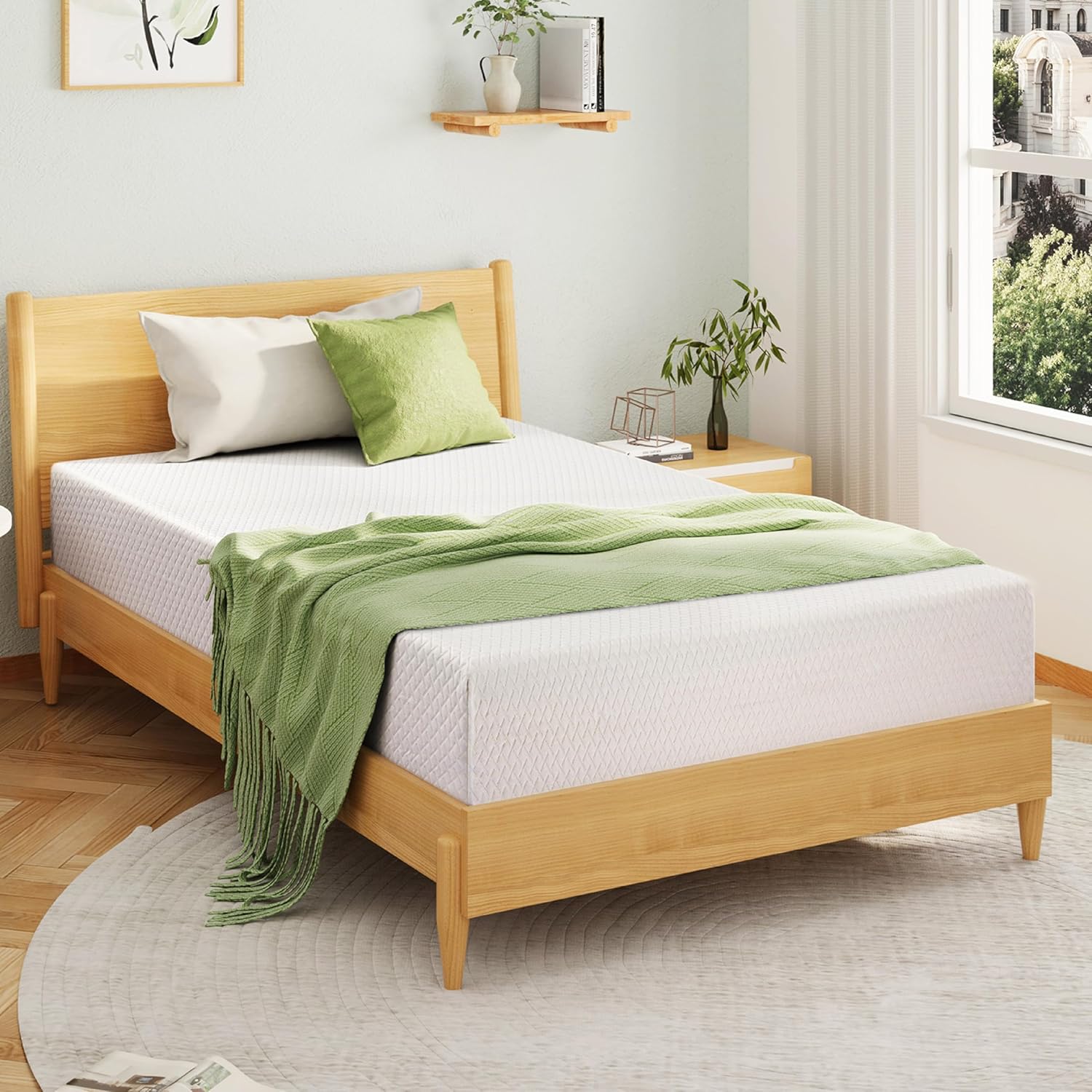
Comparing these two sleep surfaces reveals a massive architectural divide right from the start. You’ll immediately notice the contrast in bounce and thermal regulation: Innerspring builds its architecture around steel coils that achieve a 9.1 bounce score and an 8.8 temperature rating, whereas Foam Mattress relies on dense polyurethane and memory layers that prioritize contouring over airflow, scoring a modest 7.3 for cooling. Understanding how these structural differences impact your daily comfort is essential before committing your hard-earned cash.
✓ = better value in that row. Sourced from manufacturer specifications.
Innerspring vs Foam Mattress: Performance & Category Ratings
When we break down the performance metrics, the divergence in engineering philosophy becomes glaringly obvious. Foam Mattress dominates the categories that matter most for joint protection and peaceful slumber, claiming a stellar 9.4 for motion isolation and 9.2 for pressure relief. If you share a bed with a restless partner or suffer from chronic hip pain, the dense contouring of a Foam Mattress absorbs kinetic energy and cradles pressure points in a way coils simply cannot replicate. Furthermore, its 8.2 durability rating ensures it resists sagging over years of heavy use.
Conversely, Innerspring fights back by absolutely owning categories built around kinetic feedback and structural rigidity. It crushes the competition with a 9.1 bounce and responsiveness score, making it effortless to change sleeping positions or climb out of bed in the morning. Edge support is another massive win for the traditional coil setup, pulling a high 8.9 rating that lets you sleep right on the perimeter without feeling like you’re rolling onto the floor. Budget-conscious shoppers will also appreciate the 8.5 value-for-money score, which consistently undercuts high-end foam alternatives while maintaining decent everyday comfort. If you sleep hot, the open-air design naturally breathes better, earning that 8.8 temperature regulation score by letting body heat dissipate rather than trapping it against your skin.
Innerspring Mattress
Foam Mattress
Innerspring Vs Foam Mattress by the Numbers
Numbers don’t lie, and our comprehensive scoring matrix cuts straight through the marketing hype to show you where each mattress type truly excels. By examining the quantitative breakdown across motion transfer, temperature control, and edge stability, you can quickly align your personal sleeping habits with the mattress specs that deliver the highest return on investment.
Innerspring Mattress
Foam Mattress
Hover any bar for exact values. Each metric scaled independently.
Innerspring: Strengths and Weaknesses
Innerspring remains a staple of American bedrooms for good reason. You get exceptional responsiveness, incredible edge support, and a price tag that won’t make your bank account weep. Getting in and out of bed feels effortless thanks to that 9.1 bounce score, and you won’t wake up drenched in sweat during July thanks to natural coil ventilation. When you pair an Innerspring bed with a breathable 🛒 Bamboo Mattress Protector →, you maximize airflow and keep your sleep surface remarkably cool all night long.
However, honesty requires us to address the shortcomings. Motion isolation sits at a mediocre 6.1, meaning if your partner tosses, you’ll feel it. Pressure relief is also just okay at 7.0, which might leave side sleepers waking up with sore shoulders. Durability dips to 7.4 because mechanical coils eventually lose their springiness and begin to squeak or sag over time.

Price & availability subject to change. As an Amazon Associate we earn from qualifying purchases.
Foam Mattress: Strengths and Weaknesses
Foam Mattress technology completely transformed modern sleep by molding directly to your unique body contours. Pressure relief hits an incredible 9.2, making it a sanctuary for anyone battling lower back pain or joint stiffness. Motion isolation is practically peerless at 9.4, allowing you to sleep undisturbed even if your partner or pet is a chronic night-time gymnast. Durability also impresses at 8.2, outlasting traditional coil setups in maintaining uniform structural integrity.
Yet, foam isn’t without flaws. Edge support is noticeably weak at 6.8, meaning you’ll feel a distinct roll-off sensation if you sit on the very edge of the bed. Bounce and responsiveness plummet to 5.5, which can make intimate activities feel like working out in quicksand. Cooling also suffers at a 7.3 rating, trapping body heat unless you actively mitigate it. To combat this heat retention, we strongly recommend placing a 🛒 Gel-Infused Cooling Mattress Topper → directly over the foam surface to draw heat away from your body.
Price & availability subject to change. As an Amazon Associate we earn from qualifying purchases.
- ✅ Superior natural airflow prevents overheating during the night
- ✅ Stronger edge support makes getting out of bed easier
- ✅ Traditional bouncy feel preferred by combination sleepers
- ✅ Generally more affordable entry-level pricing options
- ❌ Higher motion transfer can disturb sleeping partners
- ❌ Coils can begin to sag or squeak after 6 to 8 years
- ❌ Less contouring pressure relief for painful joints
- ✅ Exceptional motion isolation prevents partner disturbance
- ✅ Contours tightly to body curves for elite pressure relief
- ✅ Longer average lifespan of up to 10 years for dense models
- ✅ Quiet sleep surface with zero squeaking springs
- ❌ Can trap body heat unless infused with cooling gel or copper
- ❌ Weaker edge support makes rolling near the side feel unstable
- ❌ Lack of bounce can make repositioning difficult for some sleepers
Innerspring or Foam Mattress: Which Should You Choose?
Choosing between these two options comes down to analyzing your physical aches, your sleeping environment, and how you actually use your bed. If you are a strict side sleeper dealing with chronic shoulder and hip pain, the 9.2 pressure relief of a Foam Mattress makes it the obvious choice to protect your joints. It’s also the definitive winner for light sleepers who share a bed; the 9.4 motion isolation ensures you won’t wake up every time your partner shifts position or gets up for a glass of water.
On the flip side, if you sleep hot, prioritize budget-friendly pricing, or simply hate feeling trapped in a mattress, Innerspring is your ticket to a better night’s rest. Stomach sleepers and heavier individuals often prefer the robust structural support of steel coils, while older adults appreciate the sturdy edge support that makes standing up each morning safe and easy. To protect your investment from accidental spills, especially if you have kids or pets, stretching a waterproof 🛒 Hypoallergenic Mattress Encasement → over either mattress type will dramatically extend its lifespan.
Back sleepers, hot sleepers, and budget buyers wanting traditional bounce.
Side sleepers, couples, and those needing relief from chronic joint pain.
Final Verdict: Innerspring vs Foam Mattress
Foam Mattress takes the overall crown for modern sleepers due to unmatched motion isolation and pressure relief. Yet, Innerspring remains the top choice for those prioritizing traditional bounce, budget-friendly pricing, and edge support. Your ultimate choice depends on whether you suffer from joint pain or prefer a responsive, cooler surface.
As an Amazon Associate we earn from qualifying purchases.
Innerspring vs Foam Mattress: Frequently Asked Questions
Is Innerspring better than Foam Mattress?
Neither is universally better; Innerspring is ideal for hot sleepers and budget buyers seeking a $700 average price with strong edges, while Foam Mattress excels for couples and side sleepers needing 85% motion reduction and superior pressure relief at around $900.
Which mattress type lasts longer?
Foam Mattress models generally last slightly longer, averaging 7 to 10 years before significant sagging occurs, whereas traditional Innerspring mattresses typically need replacement after 6 to 8 years due to coil wear and tear.
Which option is better for back pain?
Foam Mattress is generally better for back pain because high-density foam contours to the spine's natural curve, distributing body weight evenly to alleviate pressure points across 100% of the contact area.
Do Innerspring mattresses sleep cooler?
Yes, Innerspring mattresses sleep significantly cooler because the open interior cavity allows continuous airflow, whereas standard Foam Mattress layers tend to retain body heat unless specifically engineered with cooling gel.
Which mattress is better for couples?
Foam Mattress is superior for couples because its high motion isolation dampens movement by up to 85%, ensuring that one partner tossing and turning does not wake the other.