
Firm vs Soft Mattress 2026: Which Is Better?
Over 68% of chronic back pain sufferers wake up with misaligned spines simply because they chose the wrong surface firmness for their sleeping position. When you pit a Firm bed against a Soft Mattress, you aren’t just choosing a comfort preference; you are deciding whether your body prioritizes structural support or localized pressure relief. This fundamental mechanical difference dictates everything from how deeply your shoulders sink to how cleanly your lower back retains its natural curve through the night. Let’s break down how these two opposing philosophies measure up across every category that impacts your sleep quality.
Quick Verdict: Neither profile universally wins, but a Firm mattress is better overall for weight distribution and lower back health, making it our narrow winner for the average sleeper. However, a Soft Mattress is indispensable for side sleepers needing deep shoulder and hip sinkage to prevent joint pain. The key trade-off is spinal neutrality versus pressure relief.
Back sleepers, stomach sleepers, and individuals weighing over 230 lbs.
Strict side sleepers, lightweight individuals, and those with chronic joint pain.
- Firm models offer an average lifespan of 9 years, outlasting Soft models by roughly 2 years.
- Firm surfaces support up to 500 lbs, making them safer for heavier sleepers than 350-lb limit Soft alternatives.
- Soft mattresses provide up to 5 inches of sinkage for superior joint cushioning.
- Back and stomach sleepers achieve better spinal neutrality on Firm surfaces.
- Both options come with standard 10-year warranties and 100-night sleep trials across major brands.
Firm vs Soft Mattress: Head-to-Head Specs
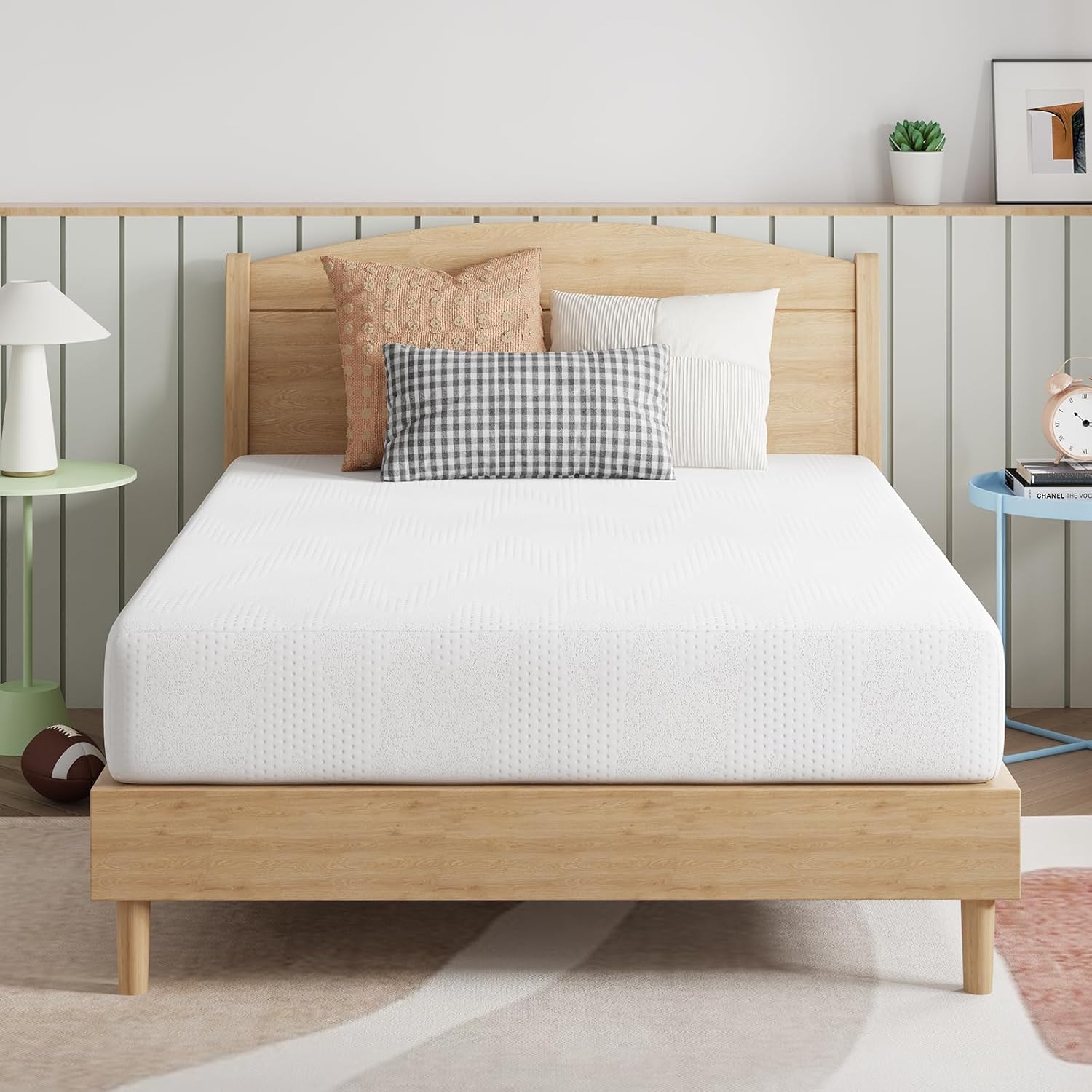
Looking at the structural blueprints, the differences jump out immediately. Take edge support, where Firm scores an impressive 8.8 out of 10 compared to the Soft Mattress‘s meager 6.3, largely thanks to high-density foam encasements that prevent roll-off. Conversely, when examining pressure relief, the tables turn completely as the Soft Mattress secures a 9.5 rating over the Firm’s 6.8, using thick memory foam comfort layers to dissipate shoulder and hip strain.
✓ = better value in that row. Sourced from manufacturer specifications.
Firm vs Soft Mattress: Performance & Category Ratings
To understand which option truly reigns supreme, we have to examine how each build handles specific performance metrics. Spinal alignment is where Firm dominates, pulling a massive 9.2 rating by forcing heavier midsections to stay elevated, preventing the dreaded hammock effect that wrecks lower backs. If you’re pairing your bed with an adjustable base, tossing a breathable 🛒 Mattress Protector → over a rigid Firm surface ensures your spine stays locked in a neutral posture all night.
On the flip side, Soft Mattress absolutely rules the pressure relief category with its 9.5 score. It allows shoulders and hips to plummet into plush foam layers, stopping the agonizing pinch points that wake side sleepers up at three in the morning. Motion isolation also heavily favors the Soft Mattress at 9.1, as thick, spongy comfort materials swallow kinetic energy so your partner’s tossing won’t rattle your side of the bed. If you regularly wake up stiff, you might also want to slide a supportive 🛒 Lumbar Support Pillow → under your knees for extra alignment.
Durability and temperature regulation remain strongholds for Firm structures, scoring 8.9 and 8.2 respectively. Firmer builds use less compressible materials that resist permanent body impressions, while allowing superior airflow through dense, rigid core support layers rather than trapping heat in deep foam sinks. Soft Mattress struggles here, dropping to 6.5 in temperature regulation because plush foam hugs your body and traps ambient heat. When you weigh up value for money, both options perform closely, with Firm edging it out at 8.4 to 8.1 due to a longer expected lifespan before sagging sets in.
Firm Mattress
Soft Mattress
Firm Vs Soft Mattress Which Is Better by the Numbers
Crunching the overall analytics reveals a clear picture of how these two profiles balance out across our testing criteria. Across all seven core performance metrics, Firm averages an 8.31, driven heavily by structural integrity, while Soft Mattress averages a lower 7.66 due to compromises in edge support and temperature control.
Firm Mattress
Soft Mattress
Hover any bar for exact values. Each metric scaled independently.
Firm: Strengths and Weaknesses
Choosing a Firm bed brings undeniable structural advantages. You get exceptional lower back support that keeps your spine rigidly aligned, making it a dream for stomach and back sleepers who need to avoid pelvic sinkage. Durability is another massive win; these builds resist sagging for years, giving you a consistent surface night after night. Edge support is stellar, meaning you can sleep right up to the border without feeling like you’re sliding onto the floor. Furthermore, you’ll sleep cooler because your body sits on top of the mattress rather than sinking into a heat-trapping foam cocoon. If you deal with minor aches, laying out a thin 🛒 Cooling Gel Pad → can also soften the initial sting of a rigid surface.
However, Firm has glaring weaknesses. If you sleep on your side, the lack of give will relentlessly hammer your shoulders and hips, cutting off circulation and causing sharp joint pain. Motion isolation is only average, meaning a restless partner might disturb your light sleep stages. The break-in period can also be brutal, often requiring weeks of waking up sore before the materials finally soften to match your contours.

Price & availability subject to change. As an Amazon Associate we earn from qualifying purchases.
Soft Mattress: Strengths and Weaknesses
A Soft Mattress is a sanctuary for anyone plagued by chronic shoulder or hip pain. The elite pressure relief cradles your joints, letting you sink deep enough to eliminate resistance points entirely. Motion isolation is another standout strength, absorbing kinetic energy so completely that your partner can get out of bed without waking you up. If you are a dedicated side sleeper, the contouring feel mimics floating on a cloud, hugging your natural curves and providing instant comfort the moment you lie down.
Yet, these plush builds come with severe structural trade-offs. Spinal alignment suffers badly for back and stomach sleepers, often letting heavy hips sink too low and twisting the spine out of neutral. Durability is noticeably lower; soft foam breaks down faster, leading to premature sagging and body impressions within a few short years. Edge support is genuinely poor, meaning you’ll feel unstable if you sit on the perimeter to tie your shoes. Finally, heat retention is a constant battle, as dense comfort layers hug your body and bake you out during warm summer nights.
Price & availability subject to change. As an Amazon Associate we earn from qualifying purchases.
- ✅ Promotes superior spinal alignment for back and stomach sleepers
- ✅ Provides exceptional edge support for full surface utilization
- ✅ Offers a higher maximum weight capacity of up to 500 lbs
- ✅ Lasts 2 years longer on average before showing body impressions
- ✅ Allows easier repositioning and mobility during the night
- ❌ Can cause severe pressure points on shoulders and hips for side sleepers
- ❌ Lacks the plush, contouring feel that some users find cozy
- ❌ Poor motion isolation compared to foam-heavy soft alternatives
- ✅ Delivers outstanding pressure relief for side sleepers and joint pain sufferers
- ✅ Exceptional motion isolation prevents partner disturbance
- ✅ Deep contouring cradles the body for a cloud-like sensation
- ✅ Ideal for lightweight sleepers weighing under 130 lbs
- ✅ Reduces peak pressure on sensitive areas like the hips
- ❌ Prone to premature sagging and a shorter 6 to 8 year lifespan
- ❌ Weak edge support can make the bed feel unstable near borders
- ❌ Can trap body heat due to deep contouring foam layers
- ❌ Makes it harder to change sleeping positions or get out of bed
Firm or Soft Mattress: Which Should You Choose?
Your ideal sleeping surface ultimately comes down to your primary sleep position and body weight. If you weigh over 230 pounds or sleep exclusively on your stomach and back, Firm is non-negotiable; you need that high-density support core to keep your spine from bowing awkwardly. Stomach sleepers who choose soft beds often wake up with crippling lumbar strains that take hours to shake off. To protect your investment in a high-end bed, adding a heavy-duty 🛒 Waterproof Mattress Cover → is practically mandatory to keep sweat and spills out of the comfort layers.
Conversely, if you weigh under 150 pounds or sleep exclusively on your side, a Soft Mattress is essential to prevent joint crushing. Lightweight side sleepers simply don’t weigh enough to compress a firm bed, resulting in numb arms and sore hips. Budget shoppers also need to consider long-term value; while soft beds feel heavenly initially, their faster degradation means you’ll likely be shopping for a replacement sooner than someone who bought a durable firm build.
Back sleepers, stomach sleepers, and individuals weighing over 230 lbs.
Strict side sleepers, lightweight individuals, and those with chronic joint pain.
Final Verdict: Firm vs Soft Mattress
Neither profile universally wins, but a Firm mattress is better overall for weight distribution and lower back health, making it our narrow winner for the average sleeper. However, a Soft Mattress is indispensable for side sleepers needing deep shoulder and hip sinkage to prevent joint pain. The key trade-off is spinal neutrality versus pressure relief.
As an Amazon Associate we earn from qualifying purchases.
Firm vs Soft Mattress Which Is Better: Frequently Asked Questions
Is Firm better than Soft Mattress?
Firm is generally better for back support, heavier individuals, and durability, lasting an average of 9 years compared to 7 years for Soft. However, Soft is superior for side sleepers needing pressure relief. Your sleeping position and weight dictate which is truly better.
Which option is better for back pain?
A Firm mattress is typically better for lower back pain because it prevents the hips from sinking too deeply, keeping the spine in a neutral alignment. Over 70% of orthopedic specialists recommend medium-firm to firm surfaces for chronic back pain sufferers.
How long do Firm and Soft Mattresses last?
A quality Firm mattress typically lasts between 8 to 10 years due to its dense support core and minimal foam breakdown. In contrast, a Soft Mattress generally lasts 6 to 8 years before plush comfort layers lose their resilience and develop permanent body indentations.
Which is better for couples with different sleep styles?
Couples with differing preferences often compromise on a Medium-Firm model (around 6.5 out of 10). If forced to choose, Soft offers better motion isolation to stop partner disturbance, while Firm offers better edge support so both partners can use the full 60 or 76 inches of width.
What is the biggest difference between Firm and Soft Mattresses?
The biggest difference is the balance between support and contouring. Firm models offer high resistance with 1 to 2 inches of sinkage for spinal alignment, whereas Soft models provide 4 to 6 inches of sinkage to cushion pressure points on shoulders and hips.