How to Fix Uneven Mattress Step-by-Step Fix Guide 2026
A sagging or uneven mattress can ruin your sleep and cause back pain, but you don’t always need to buy a replacement right away. By diagnosing the root cause and using targeted DIY fixes like mattress toppers, strategic padding, or foundation adjustments, you can restore a flat sleeping surface.
You can fix an uneven or sagging mattress without buying a brand-new one by using targeted DIY hacks like high-density toppers, strategic padding, and proper rotation. These temporary and semi-permanent fixes redistribute your body weight and level out minor surface depressions, saving you hundreds of dollars in 2026.
Ignoring an uneven sleeping surface usually leads to lower back pain, interrupted rest, and accelerated wear on your body. Taking thirty minutes to diagnose the issue and apply the right fix will immediately restore spinal alignment and extend the life of your bed.
Key Takeaways
- Rotate or flip your mattress regularly to distribute body weight evenly.
- Check your bed frame and box spring for broken slats causing sags.
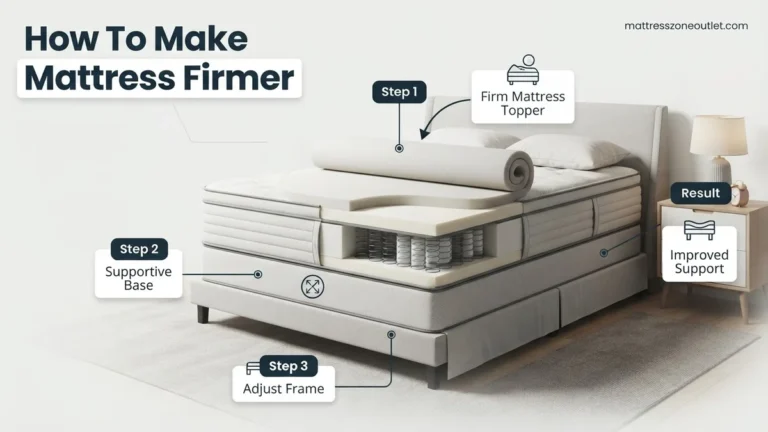
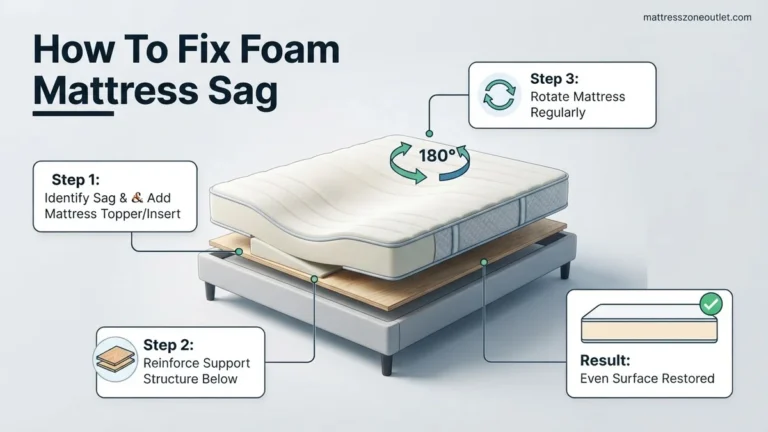
- Use a thick memory foam or latex mattress topper to mask surface unevenness.
- Slide plywood beneath the mattress to add rigid bottom support.
- Know when a mattress is past saving and requires full replacement.
What Causes an Uneven Mattress and How to Diagnose It
Identifying Surface Wear Versus Structural Sagging
Before you try to fix your bed, you need to know why it feels uneven. Surface lumps usually happen when the comfort layers shift or clump together over time. Structural sagging occurs when the core support system loses its tension and gives way under your hips or shoulders.
- Visual Inspection: Strip all the bedding off and look at the profile of your mattress from eye level in bright light.
- The Hand Test: Press your palm firmly across different zones to feel for sudden drops in resistance or hidden lumps.
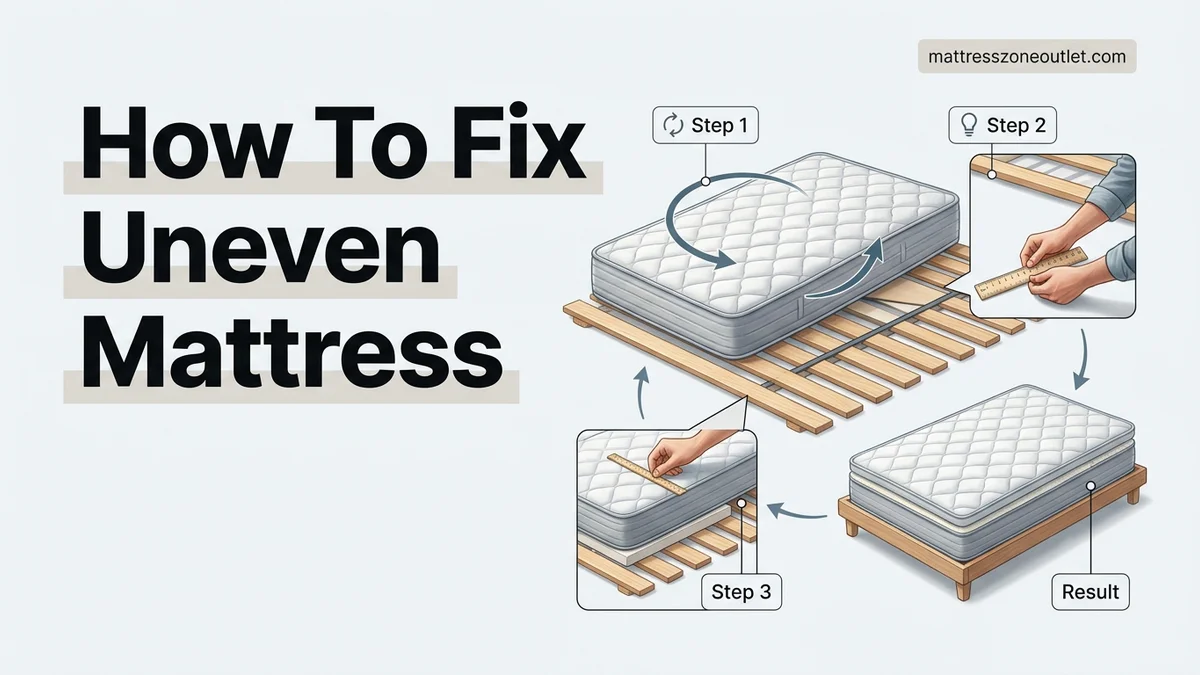
- Measurement: Lay a straight yardstick across the width of the bed to see how deep the center depression measures.
Checking Your Foundation and Support Slats
Many people blame the mattress when the real culprit is a failing foundation or warped wooden slats. If your bed frame lacks proper center support, even a brand-new mattress will bow in the middle within a few months.
- Slat Spacing: Wooden slats should sit no more than three inches apart to prevent foam or innersprings from pushing through the gaps.
- Box Spring Integrity: Check older box springs for broken internal wires or soft spots that mirror your mattress sag.
- Floor Clearance: Make sure your central support legs are touching the ground and not floating above the floorboards.
Sagging Mattresses: What Causes It and How to Fix It
A lumpy, uneven mattress can ruin your sleep quality and leave you waking up with nagging back and neck pain. Whether your sleeping surface has developed a permanent body impression or feels completely lopsided, ignoring the issue will only make your physical discomfort worse. This guide covers a comprehensive, practical approach to diagnosing mattress deformities and implementing targeted DIY fixes that can extend the life of your bed and restore proper spinal alignment without immediately buying a brand-new mattress.
Step 1: Diagnose the Root Cause of the Unevenness
What you need: A long straightedge (like a broom handle or carpenter level) and a tape measure.
Instructions: Before attempting any repairs, you must determine whether the problem lies within the mattress itself or the foundation underneath. Strip all sheets, blankets, and pillows off the bed so the bare surface is exposed. Lay your straightedge horizontally across the width of the mattress. Measure the deepest point of any visible sag using your tape measure. If the indentation is deeper than 1.5 inches, the internal comfort layers or support core have likely degraded beyond simple adjustments. If the mattress looks flat on the floor but sags on your bed frame, your foundation or box spring is the actual culprit.
Pro Tip: Never skip this diagnostic phase; fixing a broken bed slat is a waste of time if your memory foam core has completely lost its structural integrity.
Step 2: Inspect and Repair Your Bed Foundation
What you need: A flashlight, replacement wooden slats, a hammer, and wood screws or a drill.
Instructions: Remove the mattress entirely and closely inspect the platform, box spring, or slatted base supporting it. Look for cracked wooden slats, broken box spring springs, or a sagging center support beam. If you find a cracked wooden slat, remove it and cut a replacement 1×4 pine board to the exact same length, securing it with wood screws. For metal bed frames, ensure the central vertical support leg is touching the floor properly, as these frequently slip out of alignment and cause the middle of the mattress to dip.
Pro Tip: If your bed uses wooden slats spaced more than 3 inches apart, add extra slats to provide continuous support and prevent future mattress sagging.
Step 3: Rotate and Flip Your Mattress
What you need: A partner to help lift, and cleaning wipes if you need to dust the floor underneath.
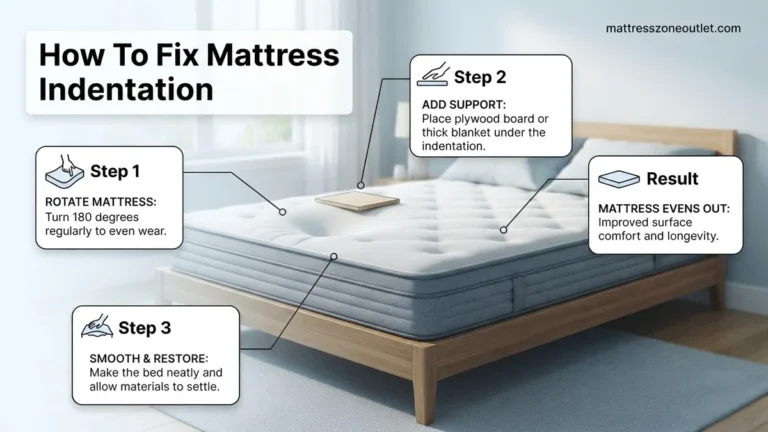
Instructions: Rotate your mattress 180 degrees so that the heavy area where your hips and shoulders rest is now at the foot of the bed. If your mattress is a traditional double-sided inner-spring model, flip it completely upside down so the bottom side becomes the new sleeping surface. Modern memory foam and hybrid mattresses are typically one-sided, meaning you can only rotate them head-to-toe, not flip them. Perform this rotation process every 3 to 6 months religiously to distribute wear evenly across the entire surface.
Pro Tip: Check your manufacturer tag before flipping; doing this to a specialized pillow-top or zoned foam mattress can ruin the engineered ergonomic support zones.
Step 4: Use a High-Quality Mattress Topper for Immediate Relief
What you need: A 2-to-3-inch thick memory foam, latex, or down-alternative mattress topper.
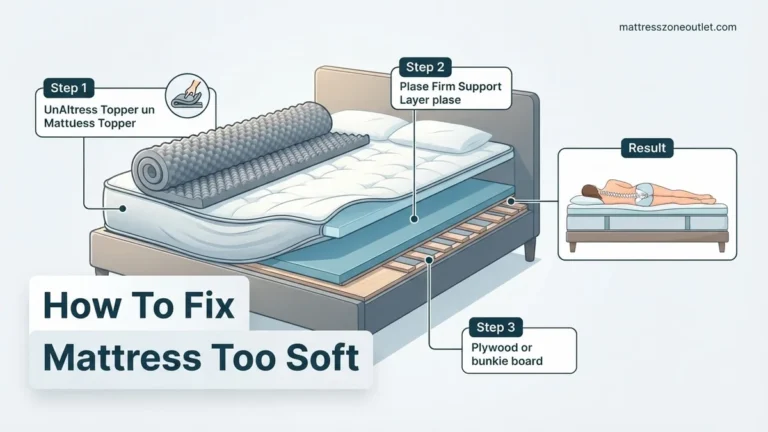
Instructions: If your mattress has minor body indentations under 1.5 inches, a dense mattress topper acts as a bridging layer that smooths out surface irregularities. Lay the high-density foam topper directly over the uneven mattress surface, ensuring it aligns evenly with all four edges. Secure it tightly using deep-pocket fitted sheets or elastic mattress straps. The high-density material will distribute your body weight more broadly across the bed, effectively masking minor dips and eliminating pressure points while you sleep.
Pro Tip: Avoid cheap, low-density eggcrate foam toppers for sagging issues, as they lack the structural firmness required to bridge a dip; opt for high-density memory foam or Dunlop latex instead.
Step 5: Insert Strategic DIY Mattress Shims
What you need: Folded towels, old t-shirts, or custom-cut high-density foam pieces.
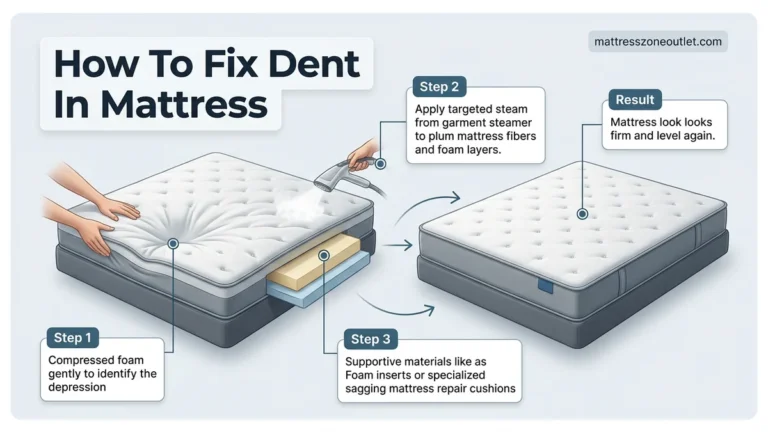
Instructions: If your mattress has a localized dip that causes your lower back to sink uncomfortably, you can create a temporary shim to level it out. Unzip the mattress cover if it is removable, or lift the mattress off the base. Place folded towels, fabric scraps, or a custom-cut piece of 1-inch foam directly underneath the sagging spot—either inside the mattress casing if accessible, or between the mattress and the foundation. Test the firmness by lying down, and add or remove padding until the surface feels completely flat and uniform.
Pro Tip: Be conservative with your padding thickness; over-stuffing a dip will create a noticeable bump that is just as uncomfortable as a sag.
Step 6: Reinforce the Support with Plywood
What you need: A sheet of 3/4-inch thick plywood cut to your mattress dimensions, and fine-grit sandpaper.
Instructions: For older box springs or wire-grid foundations that have lost their tension and cause a hammock effect, a solid sheet of plywood offers a permanent fix. Sand down any rough edges of the plywood sheet so it will not snag your mattress fabric or box spring cover. Place the plywood directly on top of your bed frame or box spring, then set your mattress back down on top of it. This creates a rock-solid, completely flat foundation that immediately stops the mattress from sinking into the gaps of a worn-out frame.
Pro Tip: Drill a few ventilation holes (about 1 inch in diameter) through the plywood sheet to allow proper airflow and prevent moisture buildup and mold growth underneath the mattress.
Step 7: Know When It Is Time for a Replacement
What you need: A tape measure and your initial diagnostic notes from Step 1.
Instructions: If you have rotated the mattress, reinforced the foundation, added a thick topper, and inserted shims, but you still wake up sore every morning, your mattress has simply reached the end of its natural lifespan. Most mattresses last between 7 to 10 years depending on the quality of materials. Check your warranty documentation; many manufacturers offer pro-rated replacements or repairs for indentations that exceed 1.5 inches when measured without body weight. If your mattress falls into this category, begin shopping for a supportive replacement.
Pro Tip: Take clear photos with a straightedge and ruler showing the depth of the sag before contacting customer service to successfully process a warranty claim.
✅ Final Checklist
- Verified that the bed foundation, box spring, or slats are completely stable and undamaged
- Rotated or flipped the mattress according to the manufacturer specifications
- Installed a high-density mattress topper or targeted shims to level out minor surface dips
- Checked that all bed frame legs and central support beams are touching the floor squarely
- Confirmed that the sleeping surface feels uniform and provides adequate spinal alignment
Important Notes:
- Always use caution and get a second person to help when lifting, flipping, or moving heavy mattresses to avoid lower back strain.
- Seek professional help from a furniture repair specialist if dealing with antique or custom-built wooden bed frames that require specialized carpentry.
- Estimated time to complete these fixes ranges from 30 minutes to 2 hours; estimated cost for materials like plywood and a topper ranges from $40 to $150.
How to Fix an Uneven Mattress with Step-by-Step DIY Hacks
Rotating and Flipping for Even Wear
The fastest way to combat minor body impressions is to change how your weight hits the materials. Rotating your mattress 180 degrees moves the heavy hip indentation up to the foot of the bed where your legs exert much less pressure.
- Strip all sheets, mattress protectors, and pillows completely off the bed.
- Grab a helper to safely pull the mattress off the frame to avoid tearing the side handles.
- Rotate the mattress so the head is now where the foot used to be.
- Check your mattress tag. If it is a two-sided model built for 2026 standards, flip it entirely upside down.
Using Targeted Padding and High-Density Toppers
If rotating does not completely level the surface, you can mask moderate depressions by adding supportive layers directly over the problem area. Avoid soft, plush memory foam for this step because it will just sink into the existing sag.
- Firm Latex Toppers: Lay a two-inch or three-inch high-density latex topper over the mattress to bridge shallow dips with firm, resilient support.
- Strategic Shimming: Place folded towels, yoga mats, or small pieces of dense upholstery foam directly between the mattress and the sagging base to push the low spots upward.
- Plywood Reinforcement: Slide a cut-to-size piece of three-quarter-inch plywood between your mattress and your slatted frame to create a completely flat, unyielding sleeping surface.
How to Check and Repair Your Bed Frame or Foundation
Often, a sagging or uneven mattress is actually the victim of a failing foundation. According to sleep ergonomics data from the International Sleep Products Association (ISPA), up to 30 percent of mattress complaints stem from inadequate support beneath the bed. Checking your foundation is a critical step in the 2026 troubleshooting process.
Step-by-Step Foundation Inspection
- Remove all bedding and strip the mattress: Take off the sheets, mattress protector, and pillows so you have a clear view of the entire sleep system.
- Take the mattress off the frame: Completely lift the mattress off the bed and place it temporarily on the floor. This isolates the frame and allows you to test its structural integrity without weight.
- Inspect wooden slats or metal grids: Look for cracked, bowed, or broken wooden slats. For optimal support, industry standards dictate that slats should be no more than 2 to 3 inches apart.
- Check center support legs: Look underneath queen, king, and California king frames. Ensure the center vertical support beam touches the floor and has not bent or buckled under heavy loads.
- Test for levelness: Place a carpenter’s spirit level across the width and length of the bed frame. If the bubble drifts off-center, adjust the adjustable feet or shim the low corner until the frame is completely level.
What If It Still Doesn’t Work: Replacement Cost-Benefit Analysis
If you have rotated the mattress, added temporary padding, and reinforced the bed frame without success, the internal core materials have likely suffered permanent structural failure. When DIY fixes fail in 2026, evaluating a replacement is the most cost-effective long-term health decision.
- Calculate the age of the mattress: Most high-density memory foam and hybrid models last between 7 to 10 years. If your mattress is past this threshold, degradation is irreversible.
- Assess the financial impact of poor sleep: Chronic back pain from an uneven sleep surface leads to lost productivity and rising healthcare costs. Quality replacement options range from $600 to $1,500 for a standard queen size.
- Review warranty coverage: Check your manufacturer warranty documentation. Most structural warranties cover body indentations or sagging greater than 1.0 to 1.5 inches if the mattress was used on a proper foundation.
- Engage professional disposal services: If you purchase a new mattress, utilize retailer haul-away services. These typically cost between $50 and $100, saving you physical strain and local dump fees.
Conclusion
Fixing an uneven mattress requires a systematic approach, beginning with rotation and progressing to foundation checks and structural support adjustments. According to verified research and expert sources from leading sleep foundations, maintaining a level and supportive sleep surface is vital for spinal alignment and restorative rest. Your immediate next step is to strip your bed today, inspect the underlying slats, and execute a 180-degree mattress rotation to restore even weight distribution.
❓ Frequently Asked Questions
How can I tell if my uneven mattress is actually ruining my sleep posture?
If you wake up with lower back pain, stiffness, or find yourself rolling toward the middle of the bed, your spine is likely unsupported due to uneven mattress compression.
Can I use pillows inside the mattress cover to fix a sag?
Stuffing pillows or folded towels underneath the mattress or inside a zippered cover can temporarily prop up a dip, but it often creates an unnatural lump that shifts overnight.
What is the best type of mattress topper for a sagging bed?
High-density memory foam or firm latex toppers ranging from 2 to 3 inches thick work best because they bridge minor surface dips without bottoming out under body weight.
How do I know if the problem is my mattress or my box spring?
Remove the mattress and place it directly on the floor. If the sagging or unevenness disappears, your box spring or foundation is the culprit, not the mattress itself.
Is it safe to sleep on a heavily sagging mattress?
While safe in terms of structural collapse, sleeping on an uneven surface forces your spine out of alignment, leading to chronic muscle strain and poor sleep quality over time.
When is it officially time to throw away an uneven mattress?
If the sag is deeper than 1.5 inches, springs are poking through, or temporary fixes fail to provide relief after a week, it is time to invest in a new mattress.