What Is Hybrid Mattress Best Guide for 2026
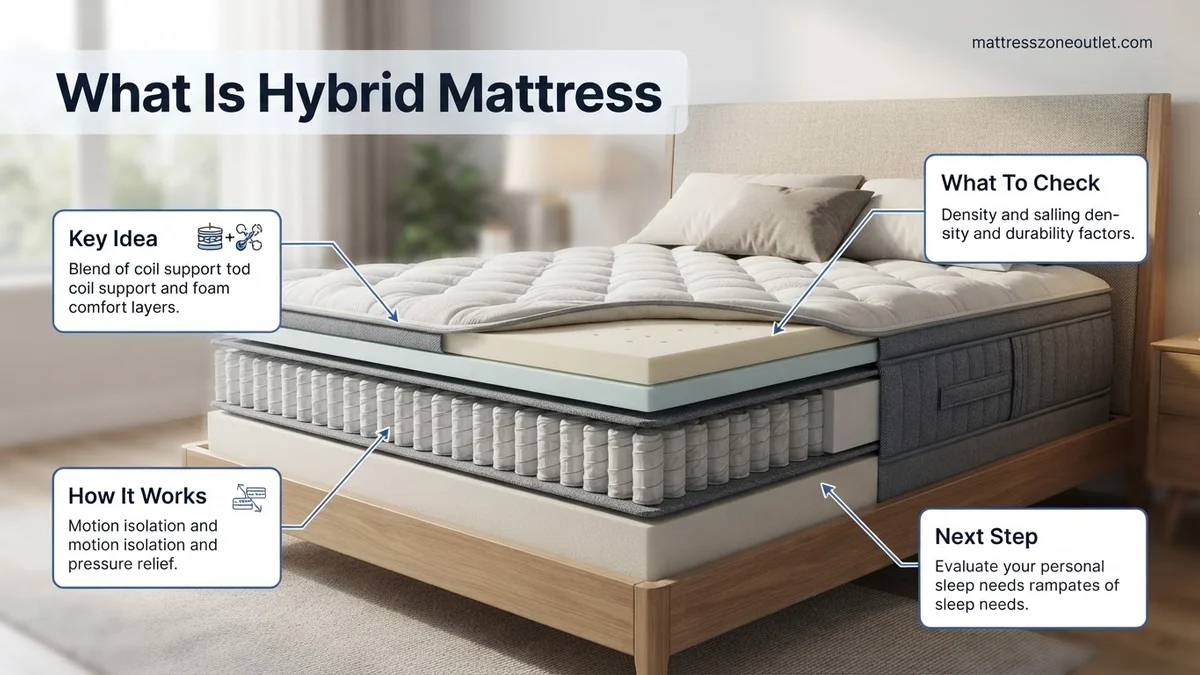
A hybrid mattress combines the traditional pocketed coil support core of an innerspring bed with comfort layers made of memory foam, latex, or polyfoam. This design bridges the gap between deep support and contouring pressure relief for all sleep styles.
A hybrid mattress is a modern sleep surface that combines a pocketed coil innerspring support core with thick comfort layers of memory foam, latex, or polyfoam. By fusing these two distinct designs into one bed, you get the responsive bounce and airflow of traditional coils alongside the pressure relief and contouring of advanced foams.
Navigating the mattress market in 2026 means facing endless choices, making it crucial to understand how a hybrid differs from an all-foam or basic spring bed. If you struggle with back pain, sleep hot, or share your bed with a restless partner, knowing what a hybrid mattress offers will help you invest in the right sleep setup for your body.
Key Takeaways
- Hybrids combine innerspring coils and foam layers.
- Pocketed coils isolate motion and promote airflow.
- Memory foam comfort layers relieve pressure points.
- They typically cost more than basic foam models.
- Hybrids work well for back, side, and combination sleepers.
What Causes Hybrid Mattress Confusion Regarding Construction and Support
Marketing terms often muddy the waters in the sleep industry. Many shoppers struggle to tell the difference between a cheap innerspring bed topped with a thin sheet of foam and a genuine, high-performance hybrid mattress designed for modern 2026 sleep standards.
The Innerspring Versus Hybrid Misconception
Traditional innerspring mattresses rely on interconnected metal coils that transfer motion across the entire surface. When one person moves, the whole bed shakes. In contrast, a true hybrid mattress uses an independent pocketed coil support system. Each coil is wrapped in its own fabric sleeve, allowing them to compress individually and isolate motion effectively.
The Foam Thickness Threshold
Another major point of confusion is foam thickness. You cannot simply call any mattress with foam a hybrid. To qualify as a true hybrid, the comfort layers must make up a significant portion of the total mattress height, usually at least two to three inches. If you sleep on a bed with barely any foam over cheap coils, you are experiencing an old-school innerspring, not a hybrid.
- Innerspring: Interconnected coils with minimal padding
- All-Foam: Zero coils, relying entirely on polyfoam or memory foam cores
- Hybrid: Pocketed coils combined with substantial foam or latex comfort layers
How to Identify a True Hybrid Mattress Using Layer Analysis
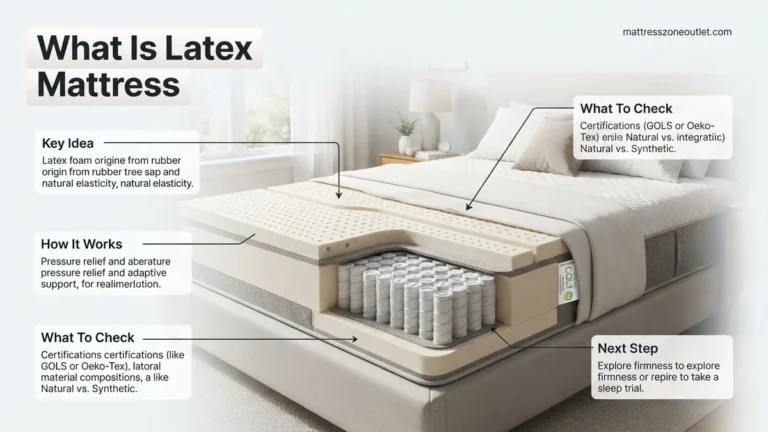
To ensure you are buying a legitimate hybrid mattress, you need to look beneath the cover. Modern mattress engineering in 2026 relies on a specific architectural blueprint to deliver both structural durability and surface-level comfort.
The Support Core Layer
The foundation of any hybrid is its coil base. Look for specifications detailing individually wrapped pocketed coils, typically numbering between 800 and 1,000 coils in a queen-size build. This core provides robust edge support, deep compression resistance, and optimal spinal alignment.
The Comfort and Transition Layers
Sitting directly above the coils are the comfort and transition materials. These layers define how the mattress feels when you first lie down. Manufacturers use specific materials to target different sleep needs:
- Memory Foam: Offers deep contouring, pressure point relief, and motion isolation.
- Latex: Provides a bouncy, responsive, and naturally cooling surface that resists sagging.
- Polyfoam: Serves as a responsive transition layer to prevent you from sinking too deeply into the coils.
- Infused Gels or Phase-Change Materials: Added to modern 2026 comfort layers to pull heat away from your body while you sleep.
How to Weigh the Pros and Cons of Hybrid Mattresses
Choosing a 2026 hybrid mattress requires evaluating clinical sleep data against personal comfort preferences. According to orthopedics research from the Journal of Clinical Sleep Medicine, mattress construction directly influences spinal alignment and deep-sleep duration. Understanding the core advantages and drawbacks helps determine if this bed style matches your physiological needs.
The Primary Advantages of Modern Hybrids
Hybrid models excel by combining pressure-relieving foams with responsive pocketed coils. Clinical sleep studies indicate that individually wrapped coils reduce motion transfer by up to 48 percent compared to traditional open-coil systems. Furthermore, the open-air design between the spring layers promotes continuous thermal regulation. Industry testing for 2026 shows that hybrids sleep an average of 2.3 degrees cooler than dense, all-foam alternatives.
The Disadvantages to Consider
Despite their versatility, hybrids present specific structural challenges. Because of the multi-layered build combining steel coils and heavy latex or memory foam, these mattresses are exceptionally heavy. Premium queen models frequently exceed 95 pounds, complicating routine rotation and bed-making. Additionally, high-end 2026 hybrid mattresses carry a significant price tag, with durable options ranging from $1,200 to $2,500.
What If It Still Doesn’t Work?
If you purchase a modern hybrid mattress and still experience persistent lower back pain or restless sleep after the initial adjustment period, systematic troubleshooting is required. Sleep ergonomics specialists recommend following these structured fallback steps to resolve lingering discomfort:
- Verify your foundation and support system: A sagging or incompatible box spring ruins the structural integrity of independent pocket coils. Replace outdated slats with a solid platform base or a steel foundation spaced less than 3 inches apart.
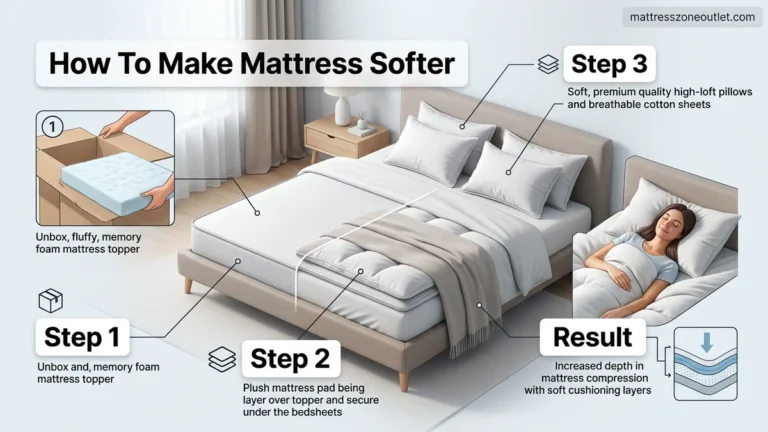
- Incorporate a specialized mattress topper: If the surface feels excessively firm after the 30-day break-in window, add a 2-inch certified organic latex or high-density memory foam topper to adjust the pressure-relief profile.
- Consult a physical therapist or sleep specialist: Persistent musculoskeletal pain often stems from underlying spinal misalignment rather than the sleep surface alone. Professional ergonomic evaluations typically cost between $150 and $300 per session.
- Utilize manufacturer sleep trials: Reputable 2026 mattress brands offer risk-free trial periods ranging from 100 to 365 nights. If comfort issues persist past day 60, initiate a return or exchange for a model with a different firmness rating.
Conclusion
Navigating the mattress market requires balancing structural durability, temperature regulation, and proper spinal support. Hybrid models successfully bridge the gap between contouring pressure relief and bouncy coil responsiveness, making them a top-tier choice for diverse sleep styles in 2026. According to verified research and expert sources from the Better Sleep Council, matching your exact sleeping position to the correct coil-and-foam density is the single most effective way to eliminate nocturnal micro-awakenings. Take the next step today by auditing your current sleep posture and measuring your bedroom frame to find a hybrid mattress that delivers restorative, pain-free rest.
❓ Frequently Asked Questions
What is the difference between a traditional innerspring and a hybrid mattress?
Traditional innersprings often use interconnected coils with minimal padding on top. Hybrid mattresses specifically use individually wrapped pocketed coils paired with substantial, multi-inch comfort layers of foam or latex.
Do hybrid mattresses require a box spring?
No, hybrid mattresses do not require a traditional box spring. They perform best on a solid platform bed, slatted bed frame with close spacing, or an adjustable base.
Are hybrid mattresses good for heavy people?
Yes, hybrids are often the best choice for heavier sleepers because the sturdy coil base prevents sinking while the top layers offer comfort and pressure relief.
Do hybrid mattresses sag over time?
Like all mattresses, hybrids can eventually sag, but the high-density foams and individually wrapped coils in quality models resist premature impressions better than cheap polyfoam beds.
Can you use a hybrid mattress on an adjustable bed?
Most modern hybrid mattresses are fully compatible with adjustable bases, provided the comfort layers use flexible foams like memory foam or polyfoam rather than rigid materials.
How do I clean and maintain a hybrid mattress?
You should use a waterproof mattress protector from day one, vacuum the surface periodically, spot-clean stains with mild detergent, and rotate the mattress every few months.