Best Mattress For Floor Sleeping: 2026 Top Picks & Tips
The best mattress for floor sleeping is a firm, foldable futon or foam pad.
You want to sleep closer to the ground to calm your back or save space, but you don’t want sore hips or a stiff neck the next day. I’ve been there. The wrong pad feels like camping on tile. The right one feels grounded and supportive, yet still cushioned. In this guide, I break down the best mattress for floor sleeping with picks I trust today. I’ll cover support, real comfort on hard floors, portability, cleaning, and who each option fits. Let’s help your floor sleep feel like an upgrade, not a downgrade.
MAXYOYO 4-inch Japanese Floor Futon, Full
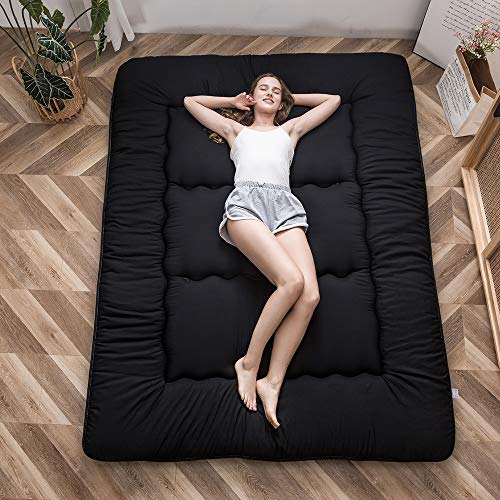
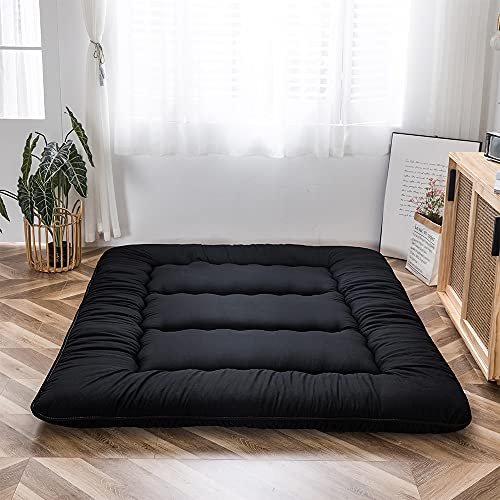
The MAXYOYO 4-inch futon in Full size is a popular choice for floor setups. It packs down for storage, yet opens thick enough to blunt the floor’s bite. The quilted top feels soft, while the internal foam adds steady support. I like it for studio apartments, temporary guest use, and anyone who wants a low-profile sleep surface.
On wood or tile, you will feel the firmness, but it is forgiving in the hips and shoulders. The four-inch build helps prevent pressure points more than a thin mat. It rolls up fast, and the stitching holds shape after repeated use. With routine airing and a protector, it stays fresh and ready.
Pros:
- 4-inch loft softens hard floors without feeling mushy
- Folds and rolls for easy storage and transport
- Quilted surface adds a cozy, breathable touch
- Stays fairly flat and supportive across the full width
- Good value for apartment dwellers and students
- Works well as a guest bed in a pinch
- Black cover hides minor scuffs and dust between cleanings
Cons:
- May need a tatami mat or rug underneath on very cold floors
- Edge support is modest due to the foldable design
- Needs regular fluffing and airing to keep loft
My Recommendation
If you want the best mattress for floor sleeping that balances price, comfort, and mobility, start here. The MAXYOYO is great for renters, small rooms, or mixed-use spaces. It is supportive enough for most back and side sleepers when used on a rug or tatami base. If you need a softer hug, add a thin topper. If you want firmer, place it on a tatami or dense rug.
| Best for | Why |
|---|---|
| Small apartments | Rolls up and stores fast to free floor space |
| Back sleepers | Firm, even feel supports the lumbar area |
| Budget seekers | Solid comfort at a friendly price point |
CYMULA Memory Foam Camping/Floor Pad

The CYMULA CertiPUR-US memory foam pad is built for camp and floor use. It rolls up tight and fits in cars or closets. The foam blends softness up top with denser support below. On a bare floor, it spreads your weight and cushions shoulders and hips.
For floor sleeping, memory foam helps tame pressure points more than cotton futons. This pad also holds shape better than many roll-up mats. I like it for guests, road trips, and quick floor setups. Pair with a washable protector to keep it clean and extend the life.
Pros:
- CertiPUR-US foam meets standards for content and emissions
- Memory foam top layer eases hip and shoulder pressure
- Rolls compact for travel or storage between uses
- Good for mixed use: home, tent, SUV, or guest bed
- Stays flat and supportive across the body
- Less motion transfer than cotton-filled mats
- Cover options often include easy-care fabrics
Cons:
- Can sleep warmer than cotton futons without a breathable sheet
- Might feel too plush for strict stomach sleepers
- New-foam scent may need airing before first use
My Recommendation
If you want the best mattress for floor sleeping with real pressure relief, this foam pad is a smart pick. It supports side sleepers well and cuts down on sore spots. It is also a winner if you split time between home floors and weekend trips. If you run warm, use a breathable cotton sheet and a light blanket to improve airflow.
| Best for | Why |
|---|---|
| Side sleepers | Memory foam eases pressure at shoulders and hips |
| Travelers | Rolls up small and works in tents or SUVs |
| Guest rooms | Comfortable and easy to store after visits |
6th Gen 9-Layer Japanese Futon, Twin

This 6th Generation Japanese futon uses a 9-layer build with high-density foam. It is still portable, yet thicker and more refined than basic mats. The structure spreads weight well, so you feel the floor’s stability but not its bite. It works best on a clean rug or tatami.
The surface feels smooth and even, which helps with spinal alignment. Back and combo sleepers often prefer this balance. The foam core resists flattening in the middle with daily use. If you want a futon that feels like a real mattress on the floor, this one fits that goal.
Pros:
- 9-layer design improves stability and body support
- High-density foam core resists sag and lumping
- Great firmness for posture and low-back support
- Portable for a full-size floor setup in tight spaces
- Holds up better than thin cotton mats over time
- Works year-round, especially with a breathable sheet
- Suitable as a daily sleeper for many adults
Cons:
- Heavier to roll up than very thin futons
- Costs more than simple cotton-only pads
- Not ideal for people who want a plush, cloud-like feel
My Recommendation
If you want the best mattress for floor sleeping for daily use, this 9-layer futon is my top call. It gives you lift, support, and a simple setup that feels mature and sturdy. Choose it if you value alignment, a stable base, and longer-term durability. Add a mattress protector and a rug below to boost comfort and extend the lifespan.
| Best for | Why |
|---|---|
| Daily floor sleepers | High-density core stays supportive over time |
| Back and combo sleepers | Balanced firmness helps neutral spine alignment |
| Minimalist bedrooms | Rolls away while still feeling like a real mattress |
jzbearapt Premium Foam Floor Futon

This jzbearapt futon uses 100% high-density foam for steady support. It is made for adults and kids who want a firmer pad on the floor. The foam holds its shape well across the length and width. It works as a guest bed, dorm pad, or everyday sleeper with a rug below.
The feel is firm and simple, which many people like for back care. You can still add a topper if you want more cushion. It folds up for storage between uses, which is great for small rooms. With a protector and regular airing, it stays clean and fresh.
Pros:
- High-density foam keeps you lifted and level
- Firm feel supports back and stomach sleepers
- Easy-fold design for dorms, playrooms, and guest use
- Resists body impressions better than cotton fill
- Simple care with a sheet and periodic airing
- Good for people who want a no-frills, sturdy base
- Light enough to move between rooms
Cons:
- Too firm for some side sleepers without a topper
- Breathability depends on the cover and bedding you use
- Edge sitting can compress more than a standard mattress
My Recommendation
If you like a firm, minimal setup, this is a strong option for the best mattress for floor sleeping. It is great for students, renters, and guest spaces. I suggest it for back and stomach sleepers who want a flat, stable feel. Use a breathable cotton sheet and, if needed, a thin gel topper to dial in comfort without losing support.
| Best for | Why |
|---|---|
| Back/stomach sleepers | Firm foam helps keep the spine neutral |
| Dorm or guest rooms | Folds for storage; sets up fast when needed |
| Value shoppers | Simple, sturdy design at a fair price |
MAXYOYO 4-inch Japanese Floor Futon, Twin

The MAXYOYO 4-inch futon in Twin is a space saver with a supportive feel. It is easy to roll and stash, yet tall enough to cushion the floor. I like it for kids’ rooms, solo sleepers, or tiny studios. It sets up fast and takes a standard twin sheet.
On hard floors, the firmness comes through, but it is not harsh. Pair with a rug, and it feels far more comfy. The black fabric handles daily wear well. For budget setups, this is a reliable twin-size pick.
Pros:
- 4-inch height gives solid floor cushioning
- Compact twin size fits tight spaces and lofts
- Rolls up for easy storage behind a sofa or in a closet
- Durable cover hides dust and minor marks
- Good starter futon for teens and students
- Works for guests when space is tight
- Balanced feel for mixed sleep styles
Cons:
- Narrow for couples or tall sleepers who want more room
- Needs a rug or tatami for the best warmth and traction
- May compress slightly in high-use hip zones over time
My Recommendation
If you need a small, dependable floor bed, this twin futon is a strong bet for the best mattress for floor sleeping on a budget. It works for solo sleepers, kids, and quick guest setups. Add a cotton sheet and a light quilt for airflow and comfort. Store it between uses to protect the loft and keep rooms tidy.
| Best for | Why |
|---|---|
| Tiny spaces | Twin size fits where full or queen will not |
| Kids/teens | Easy to roll up and keep floors clear |
| Budget shoppers | Comfort and support at a low cost |
How I Pick the Best Mattress for Floor Sleeping
I focus on comfort on a hard base, not just on a bed frame. The floor does not flex like slats, so you need the right mix of density and give. I test for pressure relief in the shoulders and hips. I also check alignment for back and combo sleepers.
Portability matters when space is tight. A good floor mattress should fold or roll without losing structure. I look for covers that spot clean well. I also check for foam standards like CertiPUR-US, which speak to content and emissions testing. For fabrics, breathable cotton helps keep nights cool and dry.
I use simple rules. If you are a side sleeper, you need more cushion up top. If you are a back or stomach sleeper, you need a firmer core. For daily use, higher-density foam or multi-layer futons hold up better. For guest or travel use, lighter roll-up pads make more sense.
One more tip. Put a breathable layer under any floor mattress. A tatami mat, cork roll, or woven rug adds warmth and airflow. That small step makes the best mattress for floor sleeping feel even better night after night.
Who Should Sleep on the Floor (and Who Should Not)
Some people love the grounded feel of floor sleep. Back sleepers who want firm support often do well. Minimalists and small-space dwellers enjoy the open floor during the day. People who run warm may also like the cooler sleep at floor level.
Others should ask a medical pro first. If you have chronic joint pain, arthritis, or mobility limits, getting up and down can be hard. If you are pregnant or have circulation issues, a higher bed may be safer. Always listen to your body. The best mattress for floor sleeping should help you wake up better, not worse.
Care Tips for Floor Mattresses
Use a protector. It keeps dust and sweat off the core. Wash sheets often and air the futon or foam in sunlight on dry days. Flip or rotate the pad weekly if used nightly.
Lift and lean the mattress against a wall for an hour each week. This helps moisture escape and keeps things fresh. Place a rug, tatami, or breathable base between the floor and the mattress. This simple move improves comfort and extends life.
Spot clean with mild soap and water as needed. Avoid soaking foam. For odor control, sprinkle baking soda, let it sit, then vacuum. With steady care, the best mattress for floor sleeping will stay supportive and clean for years.
Mattress Thickness, Density, and Sleep Position
Thickness is not everything on the floor. A good 3 to 4 inches, if dense and well-built, can beat a thicker but airy pad. Aim for higher-density foam for daily floor sleep. It keeps you lifted and aligned.
Sleep position guides your choice. Side sleepers often like a foam pad or multi-layer futon with more give on top. Back and stomach sleepers often like a firmer core with a smooth, even surface. Combo sleepers benefit from balanced designs like 9-layer futons.
If you are light in weight, you can get away with softer foam. If you are heavier, choose denser foam or a thicker build to prevent bottoming out. This is how you match your body to the best mattress for floor sleeping.
FAQs Of best mattress for floor sleeping
Is floor sleeping good for back pain?
It can help some people who like firm support. Others may feel more pressure. Try a firmer futon with a thin topper and test for a week. Ask a doctor if you have chronic pain.
Do I need a base under a floor mattress?
Yes, a breathable layer helps. Use a tatami mat, rug, or cork roll. It adds warmth, airflow, and grip. This also protects the mattress from dust and moisture.
How thick should a floor mattress be?
Most people do well at 3 to 4 inches if the foam is dense. Thicker can help heavy sleepers or side sleepers. Quality and density matter more than height alone.
How do I keep a floor mattress clean?
Use a protector. Wash sheets weekly. Air and rotate the pad. Spot clean spills fast. Lift and lean it to let moisture escape.
Is memory foam or futon better on the floor?
Memory foam eases pressure. Futons offer firmer, stable support. Pick based on sleep position and feel. Many people like a balanced multi-layer futon for daily use.
Final Verdict: Which Should You Buy?
The 6th Generation 9-Layer Japanese Futon is my best overall pick. It blends firmness, support, and daily durability better than the others.
If you want the best mattress for floor sleeping, choose a dense, stable build with easy care. Start with your sleep position, then pick the design that fits your space and budget.